

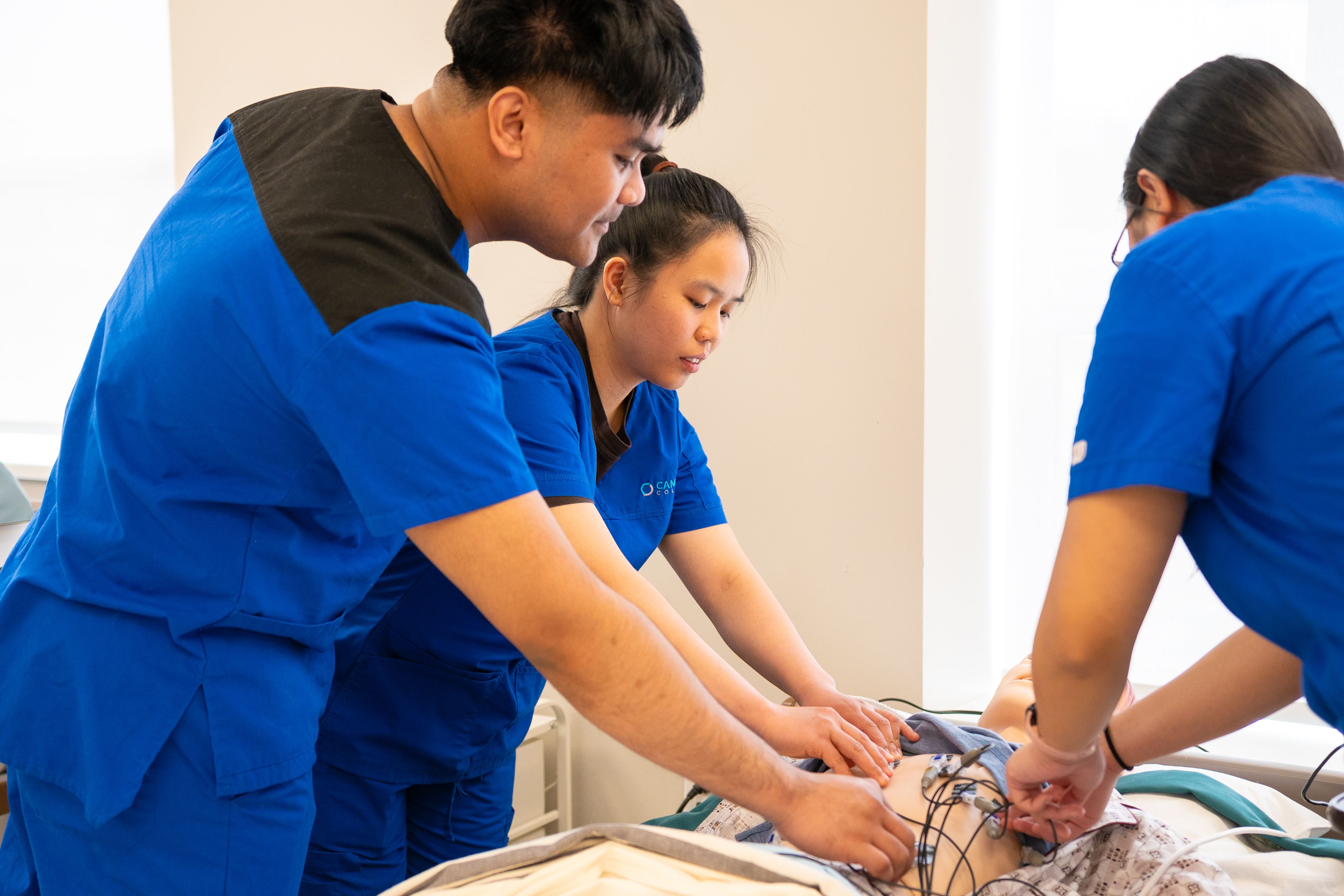
Most career changes build slowly. Maybe your current job feels flat, unstable, or just not like you anymore. Maybe you want work that feels useful at the end of the day. Nursing comes up often because it mixes purpose, people, and steady demand. Still, it’s a big move, and it helps to look at it with open eyes, a decent plan, and maybe a strong cup of coffee.
Why nursing now
A lot of adults start looking at nursing after feeling stuck in jobs that pay the bills but don’t offer much meaning. Others want better long-term security or a role where they can help people in a direct way. If that sounds familiar, changing careers to nursing may feel less like a wild leap and more like a thoughtful next step.
Nursing has a practical side that matters too. Healthcare needs don’t vanish when trends change. People still need care in hospitals, clinics, schools, and homes. That can make nursing feel more stable than some office roles or industries that rise and fall fast.
It also offers variety. You’re not locked into one path forever. Some nurses work bedside. Others move into leadership, education, case management, or community health. So if you’re craving a career with room to grow, nursing has more doors than a hallway in a sitcom mansion.
Check your real reasons
Before you make any big move, be honest about why nursing is calling your name. If you only want out of your current job, that’s understandable, but escape alone usually isn’t enough. Nursing asks a lot from you, so your reasons should have some depth.
Ask yourself a few simple questions:
- Do you want work that feels useful every day?
- Are you okay being around people when they’re stressed, sick, or scared?
- Would you feel proud learning a skill that helps others in a real way?
- Do you need a career with clearer growth options?
It also helps to think about your lifestyle. Some people are drawn to nursing because of shift flexibility. Others later realize weekends, nights, or holidays may be part of the deal. That doesn’t make it bad. It just means you need the whole picture.
The best reason is usually a mix of purpose and practicality. That combo tends to hold up when training gets hard or life gets busy.
Match your strengths
You do not need to be the world’s most perfect human to become a nurse. You don’t need superhero hearing, endless patience, or handwriting that can defeat a printer. You do need some core strengths that fit the work.
Good nurses often do well with people. That means listening, noticing small changes, and speaking clearly when someone is worried or confused. If friends, coworkers, or family tend to come to you when things go sideways, that may say something.
You should also be able to stay fairly steady under pressure. Not fearless. Just steady enough to think when things get busy. Nursing can be fast, emotional, and unpredictable. A calm, practical mindset helps a lot.
Other useful traits include:
- Strong attention to detail
- Willingness to learn
- Teamwork
- Time management
- Basic resilience
If you’re caring, organized, and good at handling real-life messes without melting like an ice cream cone in July, nursing may fit you better than you think.
Plan the training
This is the part where the dream needs a calendar. Nursing takes education, licensing, and time, so it helps to map the route before you jump in. The good news is there are different paths depending on your background.
Some people start fresh with a nursing degree. Others already have a bachelor’s degree in another field and look at accelerated options. Program length can vary, and so can class format. You may find in-person, hybrid, or online-friendly options depending on the school and stage of training.
As you compare programs, look at:
- Entry requirements
- Total timeline
- Clinical expectations
- Class schedule flexibility
- Tuition and fees
- Support for working adults
Also think beyond tuition. Books, transportation, reduced work hours, and childcare can affect your budget. It’s not the fun part, but it’s the real part.
If you plan well, the training feels less like chaos and more like a project with steps. Big goal, small moves. That’s how most career changes survive the middle.
Prepare for work life
Nursing can be deeply rewarding, but it isn’t a polished TV version where everyone has time for dramatic speeches and perfect hair. Real nursing is hands-on, team-based, and often busy. Some days feel great. Some feel heavy. Knowing that early helps.
Your daily work may include talking with patients, tracking changes, giving care, coordinating with doctors, and helping families understand what’s happening. You’ll likely be on your feet a lot. You may work long shifts. You may also carry emotional moments home with you once in a while.
Still, many nurses stay because the work matters. You get to solve problems, support people, and use both your brain and your people skills. That balance is rare.
Work settings vary too. Nursing doesn’t only mean hospitals. You could work in:
- Clinics
- Schools
- Rehab centers
- Community programs
- Home health
- Long-term care
That range is helpful if you want choices later. One rough setting doesn’t mean the whole profession is wrong for you.
Make a smart transition
A career switch works better when you treat it like a real plan instead of a dramatic escape scene. Start by learning from people already in the field. Talk to nurses if you can. Ask what surprises them, what drains them, and what keeps them going.
If possible, shadow someone or volunteer in a healthcare setting. Even a little exposure can tell you a lot. You’ll see the pace, the teamwork, and the parts no brochure likes to brag about.
Then build your transition piece by piece:
- Set a target start date
- Review school options
- Save money where you can
- Talk with your household about schedule changes
- Decide whether you’ll work during training
- Break the process into monthly goals
It’s also okay to feel nervous. Smart people get nervous before big moves. That usually means you understand the stakes.
If nursing keeps showing up in your mind, don’t ignore it just because the path looks long. Plenty of worthwhile things take time. A thoughtful switch can lead to work that feels more stable, more human, and more like a life you actually want to live.