SHL, a provider of psychometric assessment, is celebrating 30 years of success in the industry. With such a wealth of experience SHL looks back to the time it was founded and considers some of the drastic changes that the world of work has seen and also considers what it may look like 30 years from now.
To the ë70s worker, ëFlexi-timeí, ëWireless accessí, ëPositive discriminationí, ëCSRí, ëPortfolio careersí, ëOut-sourcingí and ëDown-sizingí would have been largely unknown terms. A person would stay in a particular job or company for a large part of their working life. A mouse was nothing more than a small rodent and losing a file meant sifting through your rubbish.
SHLís Director of Product Management, Nick Hallwood, has some insights: ìAnother difference from thirty years ago is the recognition that ëexperienceí is not enough. A ëjob for lifeí is more or less part of the archaeology of the ë70s world of work. At the same time, advances in technology mean that the shelf life of what we know and can do is also reducing. That simply means that those softer skills or competencies that underpin learning, adaptability, innovation and a commitment to delivering are all the more important. In a nutshell, gaining knowledge and knowing what to do with it is what counts rather than the history you read on a CV.î
Thirty years ago, psychometric testing was the exception, administered in pencil and paper format, and used by only around one in ten organisations. Today, it is a widely accepted business tool, delivered online, and used by one in three companies - SHLís tests alone are used by 74% of the FTSE 100 companies.
But what of the future?
Hallwood believes: ìTechnology will drive new needs and innovations. The uptake of networking websites and online communities is increasing so rapidly that the influence of this will be huge,î he continues. ìI can see a day when everybody will store their psychometric data on networking sites such as LinkedIn, which are specifically designed for building professional networks.î
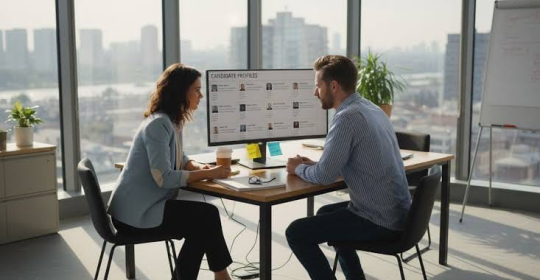
Today, employers hold the talent profiles of applicants, but in the future we may well see candidates holding their own ìcertifiedî profiles which they will make available selectively to potential employers. For example, candidatesí might store their career profiles on their mobile phone SIM cards, with data transferred via Bluetooth style technology to potential employers. This would enable employers to immediately see if a candidate is suitable.
ìIt is also possible that assessment and development centres will be delivered in virtual worlds such as Second Life. It is not inconceivable that people will have regular paid employment in these parallel worlds ñ some major companies are already interviewing candidates in Second Life so who knows where this could take us.î
In addition to technological advances, psychometric testing is also likely to develop in order to identify and measure a broader set of workplace attributes, Hallwood suggests: ìThirty years on, we have a whole new view of assessment driven by better understanding of behaviours in the workplace and a stronger insight into what underpins those behaviours. In the future, we will see new and sophisticated methods of assessing individuals to provide a more complete picture of how they will fit into a specific job, in a particular department, in a particular organisation.î
As an established player in the industry, SHL are constantly scanning the future, investing heavily in research, science and technology. So whatever the future holds, SHL will always be innovating to help organisations with their talent management needs.

30 years of psychometrics from SHLÖ but what does the future hold?

Psychometric profiles on mobile phone chips? The future according to SHLÖ