We focus on the digital experience and the benefits packages. But lately, there is a growing realization that the physical space we inhabit for forty hours a week does more than hold a desk and a chair. It dictates how we feel, how we collaborate, and ultimately, whether we want to stay. Honestly, I think we’ve spent so long staring at screens that we've forgotten the impact of the four walls around us.
For recruitment professionals and HR leaders, the office environment has moved from a background detail to a frontline retention strategy.
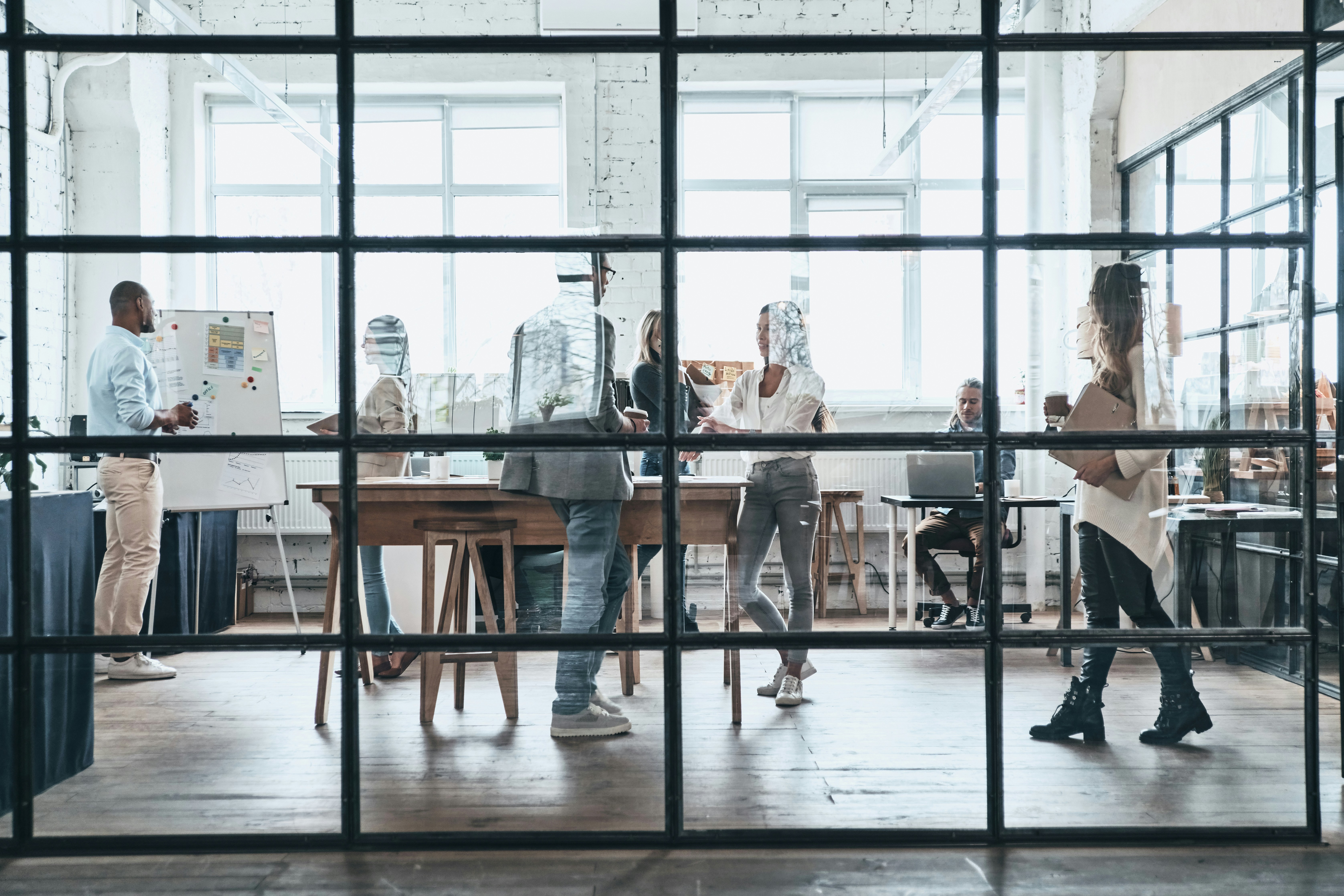
The shift toward hybrid work changed our expectations of what an office should be. It is no longer just a place where you are required to go. It has to be a destination that offers something the home office cannot. When people walk into a workplace, they’re looking for a balance of privacy and community. Have we stopped to ask if our current layouts actually provide that, or are we just filling floor space? I guess it’s easier to buy a coffee machine than to rethink a floor plan, but the latter matters more.
The Psychology of the Shared Space
Human beings are sensitive to their surroundings in ways we often overlook. High ceilings, natural light, and even a room's acoustics play a role in our stress levels. You know that feeling when you're trying to focus but can hear every word of a colleague’s lunch plans? That’s the hum of a workspace that hasn’t been optimized for humans. When an office is cramped or poorly laid out, it creates friction.
This friction adds up over time.
If a recruiter is trying to sell a candidate on a high-growth, high-energy role, but the physical office feels stagnant or disorganized, there is a disconnect. And that’s the point. That disconnect is exactly where talent starts to look for the exit.
Privacy is one of the biggest hurdles in the modern office. The open-office trend of the last decade was meant to foster collaboration, but often it just fostered distraction. People need to feel that they have a home base within the office. They need to know that if they have a sensitive call or need twenty minutes of deep focus, the environment will support them. This is where high-quality fixtures and smart layouts come into play.
How often do we consider that a simple partition could be the difference between a productive morning and a wasted one? Maybe more than we’d like to admit.
Even the most basic elements, like the quality and privacy of restroom facilities or the sturdiness of room dividers, send a message to employees about how much the company values their comfort. For those looking to upgrade these essential components, resources like onepointpartitions.com provide the necessary infrastructure to make a space feel professional and private.
Designing for Human Dignity
It sounds dramatic to talk about dignity when discussing office layouts, but it is the right word.
When a company invests in its staff's physical comfort, it shows a level of respect that goes beyond a paycheck. We’ve all worked in places where the chairs were broken, the lighting was flickering, or the communal areas felt like an afterthought.
It makes you feel like a cog in a machine rather than a valued contributor. I’ve sat in those offices, and it’s hard to feel inspired when the carpet is peeling.
Modern retention is about reducing the reasons for someone to look elsewhere. But are we looking at the small things? If the office environment is a source of daily annoyance, it becomes a push factor. Conversely, a well-designed space acts as a pull factor. You want people to arrive and feel calm and ready.
This means looking at the flow of the office. Are the quiet zones actually quiet? Are the social zones inviting? Are utility areas, such as kitchens and bathrooms, maintained to the same level of care as the boardroom?
The ROI of a Better Workplace
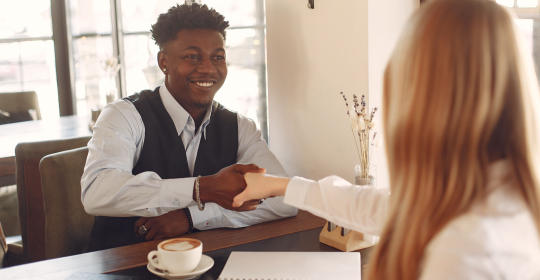
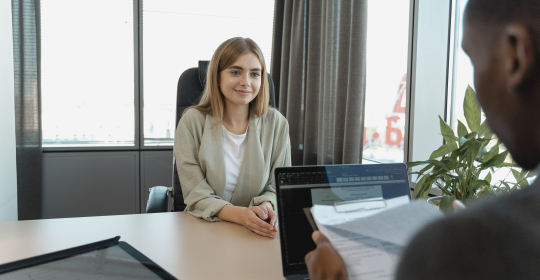
From a recruitment perspective, the office is a physical manifestation of the brand. When a candidate comes in for an interview, they’re performing a subconscious audit of the space.
They’re looking at the faces of the people working there. They’re noticing if the environment feels collaborative or clinical.
Investing in the physical environment has a clear return. Better acoustics lead to better focus.
Better layouts lead to better spontaneous collaboration. Even better restroom facilities, which are often the most overlooked part of an office build-out, contribute to overall hygiene and workforce morale. It’s about removing the micro-stressors that plague the workday.
When you remove those stressors, productivity naturally rises. It’s not magic; it’s just common sense.
Creating a Destination
If we want people to embrace the office again, we have to make it worth the commute. This involves a shift in perspective. Instead of seeing the office as an expense to be minimized, we should see it as a tool for engagement.
But where do we start?
This doesn’t mean you need a slide in the lobby or a gourmet chef. It means you need a space that works. It means having enough meeting rooms so people aren’t hovering in hallways. It means having partitions that actually provide visual and acoustic privacy. It means ensuring that every corner of the office, from the front desk to the back storage room, reflects a standard of excellence.
When employees feel that their physical needs are being met, they’re more likely to engage with the company’s higher goals. They feel settled. They feel like they belong. In a world where talent has more choices than ever, the physical office might be the thing that tips the scales in your favor.
We’re moving into an era where the human part of Human Resources is being taken more literally. We’re looking at the whole person, and that person exists in a physical world. So, by prioritizing the environment, we aren’t just decorating a room; we’re building a foundation for a long-term relationship between the employer and the employee. And maybe, just maybe, that’s how we win the talent war.