

The aviation industry does not have enough licensed maintenance technicians to keep pace with demand. According to research by Boston Consulting Group, in North America alone, the deficit of aviation mechanics is expected to exceed 40,000 by 2027.
Airlines need qualified professionals who can step into the hangar and contribute immediately.
An Associate of Applied Science in Aviation Maintenance Technology is structured to respond directly to that workforce gap by producing job-ready technicians with verified technical competence.
Building Hands-On Capability
In a recent analysis by McKinsey & Company, researchers noted that improving technician productivity could significantly reduce the projected shortage. They highlighted just how critical skilled labour is to airline performance.
Strong foundational training allows new technicians to become productive more quickly.
An AAS programme typically spans 21 to 24 months. And it combines classroom instruction with extensive hangar-based experience.
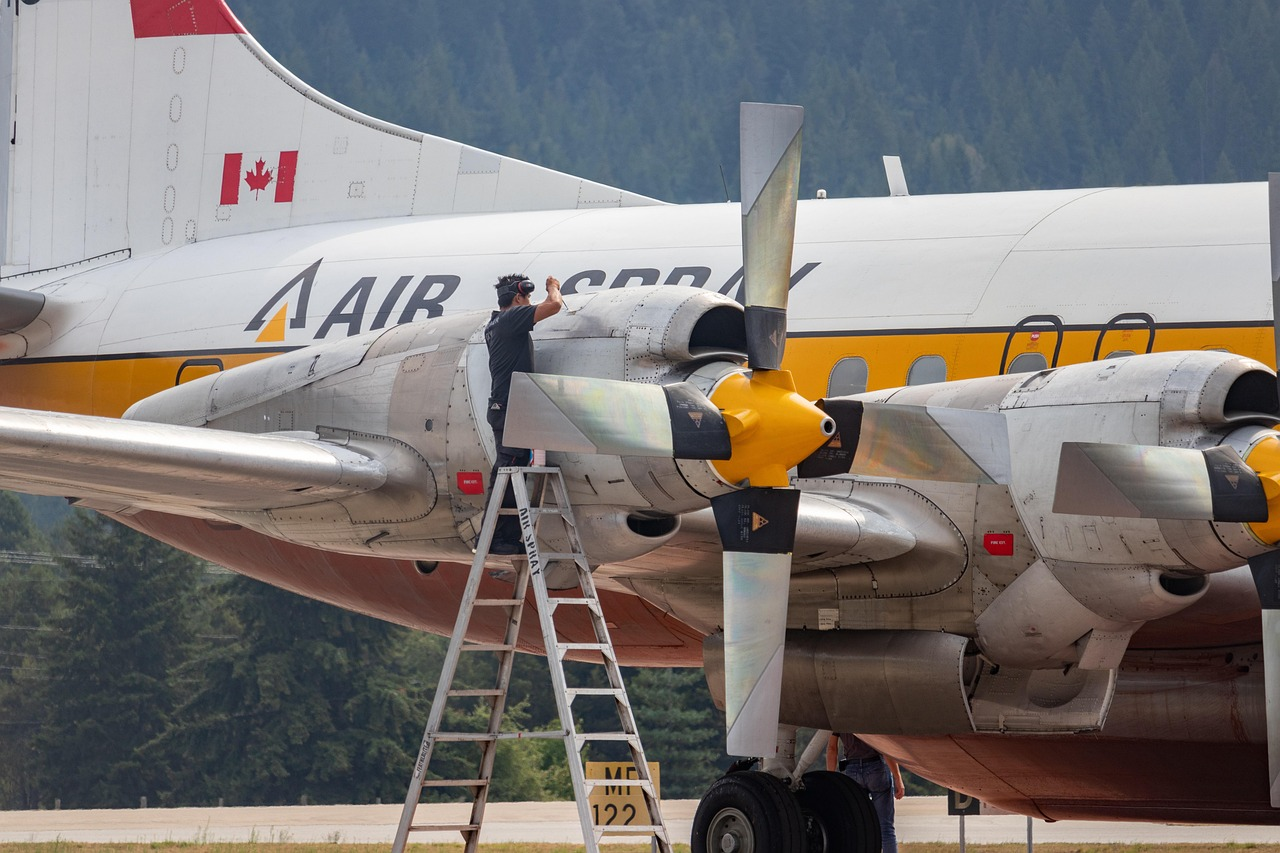
Students inspect, repair, and maintain aircraft structures, powerplants, and flight control systems using FAA-approved equipment similar to what they will encounter in the field. Turboprops, carburettors, piston engines, and jet engines all form part of the curriculum.
Repeated exposure to real components builds both competence and confidence. By graduation, routine inspections and maintenance procedures feel familiar rather than intimidating.
Aligning With FAA Standards and A&P Certification
Most employers look for technicians who hold Airframe and Powerplant (A&P) certification. In the United States, this credential is issued by the Federal Aviation Administration.
Many international employers recognise FAA-aligned training as a strong benchmark of technical competence.
An AAS in Aviation Maintenance Technology is designed around FAA Part 147 requirements. So, it ensures that students meet the academic and practical standards necessary to sit the certification exams.
Many vocational pathways follow a similar structure, combining classroom instruction with hands-on technical training. This model is widely used in aviation programmes, including those focused on earning an AAS in aviation, where students develop precision-based skills required for safety-critical environments.
Aviation Institute of Maintenance, for example, structures its curriculum to cover airframe and powerplant systems in depth while reinforcing safety culture and documentation standards expected in live operations.
Graduates are prepared not only to pass the FAA exams. They are also ready to operate within compliance-focused environments.
Blending theory with practice ensures that regulations are understood in context. Maintenance documentation, inspection protocols, and safety procedures become daily habits rather than abstract concepts.
Developing Real-World Problem Solving
Aircraft maintenance rarely follows a script. Technicians must diagnose faults efficiently, often under time constraints and in coordination with wider operational teams. AAS programmes simulate these pressures through scenario-based exercises and troubleshooting tasks.
Instructors with industry backgrounds share practical insights drawn from airline and Maintenance, Repair and Overhaul experience. Thus, they help students to understand how technical decisions affect schedules and safety outcomes.
Core skills developed during training? They include:
➔ Performing structured inspections using approved maintenance manuals
➔ Troubleshooting engine, hydraulic, and electrical system faults
➔ Completing safe component removal and installation procedures
Graduates leave with exposure to complex systems and collaborative workflows. Adaptability and communication skills develop alongside technical ability, which employers value highly in fast-paced maintenance environments.
Strengthening Recruitment Pipelines Through Industry Partnerships
The demand for technicians is not expected to ease soon. Boeing Global Services projects a need for 710,000 new maintenance technicians globally over the next two decades. For aspiring technicians, that points to sustained opportunity.
Many AAS programmes cultivate relationships with employers to streamline recruitment. Career services support, employer visits, and networking opportunities connect students with organisations actively seeking qualified candidates.
Graduates often enter hiring pipelines already familiar with the standards and expectations of their training institution. And employers benefit from recruiting technicians who have been trained on industry-relevant equipment and understand workplace protocols.
Reduced onboarding time helps maintenance teams stabilise operations during ongoing shortages.
Preparing for a Career That Keeps Aircraft Flying
The aviation skills gap is reshaping airline operations and workforce planning. An AAS in Aviation Maintenance Technology addresses that challenge by equipping students with hands-on technical expertise, FAA-aligned knowledge, and exposure to real environments.
Graduates are positioned to pursue A&P certification and step confidently into high-demand roles.
If you are considering a technical aviation career, explore programme details or contact the team at Aviation Institute of Maintenance. They could help you decide whether an AAS in Aviation Maintenance Technology is the right next move for you.
And if this article has been useful, take a look at some of our other informative content!

