
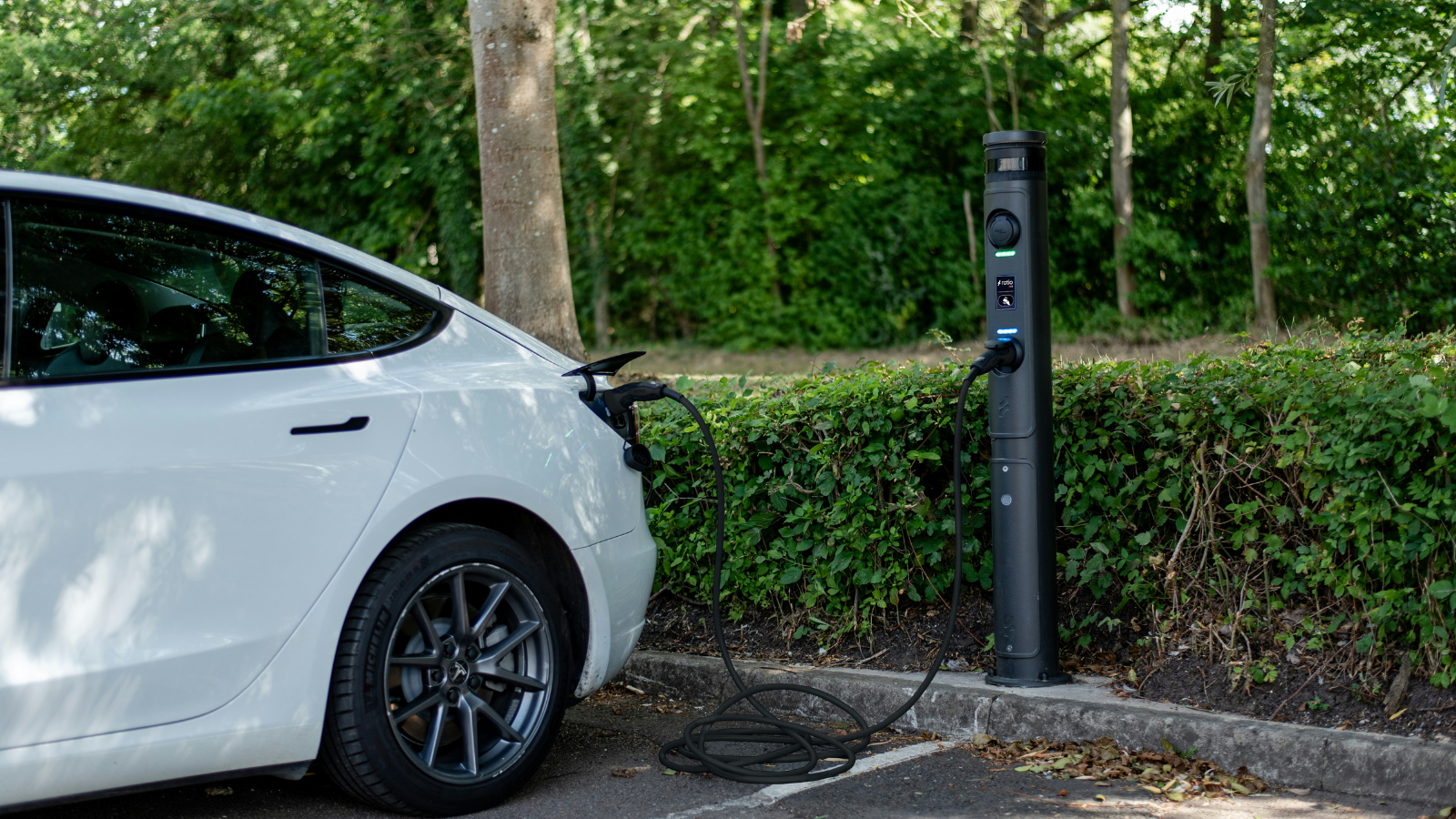
Over the next five years, EV ownership is expected to be even more widespread, practical, and easier to plan around for everyday life.
Read our insightful article to the end to see how the UK’s EV landscape is likely to take shape and what it means for British businesses and their employees.
Charging Infrastructure Will Continue to Improve
One of the biggest concerns around EVs has been charging access. Over the next five years, public charging networks are expected to expand further across towns, cities, and major road routes. Faster chargers are also becoming more common, cutting waiting times and making longer journeys easier to manage.
Home and workplace charging remain a key part of the picture. More new builds now include charging points as standard, while grants and improved installation processes have helped existing tenants make the switch. It should also be said that as businesses start to offer workplace charging as an employee perk all over the country, EV adoption (and employee satisfaction) are skyrocketing. Together, these changes should reduce anxiety around range and availability.
Rapid Adoption Through Easier Access to EVs
Electric vehicle uptake across the UK has accelerated at a steady pace, and that momentum continues to build. A key driver behind this shift is rapid adoption through a salary sacrifice car scheme that benefits employees and employers, which has made switching to electric far more accessible than before. These schemes benefit the business, reduce upfront costs, spread payments clearly, and remove much of the uncertainty that once held drivers back.
By lowering financial barriers, EVs are no longer limited to early adopters or big conglomerates. Instead, small businesses can offer new electric models as part of their workplace benefits to employees, and benefit from tax efficiencies and cleaner fleets. As awareness grows, this route into EV ownership is helping electric cars feel like a practical, everyday choice instead of just a distant future concept.
EV Costs Are Becoming Easier to Manage
While electric cars have often been seen as expensive, that gap has narrowed. Battery technology continues to improve, and production volumes are rising. These factors have helped stabilise prices and improve long-term value.
Running costs remain a strong advantage. Electricity is often cheaper than petrol or diesel on a per mile basis, and EVs tend to need less routine maintenance. Over time, this balance may make electric driving more appealing for budget-conscious companies.
More Choice in Vehicle Types
The UK EV market now covers small city cars, family SUVs, estates, and performance models. Over the next five years, that range is expected to widen further. This variety matters because businesses don’t all use cars in the same way.
As more manufacturers commit fully to electric line ups, UK companies should find it easier to match an EV to their line of work and employees’ lifestyle rather than compromise on size or comfort. That flexibility supports long-term confidence in electric driving.
Environmental Impact and Policy Direction
Transport remains a major contributor to UK emissions. EVs play a key role in reducing tailpipe pollution, especially in urban areas. While overall environmental impact depends on factors such as electricity generation, the direction of travel remains clear.
Policy is likely to continue supporting low-emission transport through regulation and infrastructure planning. A primary example is London's Ultra Low Emission Zone (ULEZ), which recently expanded to cover all London boroughs.
By charging drivers of older, more polluting vehicles, it’s incentivised a faster transition to electric alternatives for all London businesses. This model is being mirrored across the country, with Clean Air Zones (CAZ) already active in other major cities around the UK. These measures may influence how quickly petrol and diesel vehicles fade from everyday use.
The Bottom Line
Electric vehicles are moving from early adoption into everyday life across the UK. As access improves and understanding grows, switching feels less uncertain and more practical. UK businesses considering their next fleet evolution, or employee perk offerings, would benefit from staying informed, reviewing available options carefully, and choosing a path that fits both their needs and budget.