Knowing the four key hiring trends likely to prevail in 2026 is crucial for companies to compete, attract top talent, and build resilient teams.
AI‑Powered Hiring
As you know by now, AI is transforming how companies in all industries operate, including how they recruit. Currently, 37% of organisations are now “actively integrating” or “experimenting” with Gen AI tools in the hiring process.
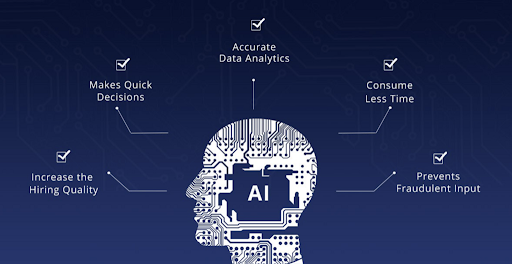
In 2026, many recruiters will be leveraging AI-powered tools, such as PeopleHR Evo, to make the recruitment process faster, smarter, and more candidate-friendly. These AI-powered tools can help recruiters to:
- Streamline tasks: AI can automate repetitive and time-consuming tasks, such as screening resumes and scheduling interviews.
- Write compelling job posts: AI can generate clear and engaging job descriptions to attract the right candidates.
- Conduct interviews: AI can draft tailored interview questions or conduct preliminary online interviews before the in-person stage.
- Keep candidates informed: AI-powered chatbots can provide real-time updates on application status, improving the candidate experience and reducing uncertainty.
Skills‑First Hiring
Companies are increasingly prioritising a candidate's skills, capabilities, and experience over formal credentials like university degrees. This skill-first hiring approach gives self‑taught people and those without access to top-tier education the same opportunities as anyone else.
For skills-first hiring, candidates may be required to submit portfolios or take assessments, such as coding, writing, or mental agility tests.
This hiring trend is one to watch, as 70% of the skills used in most jobs will have changed by 2030, due to AI transforming how work is done. This may mean the skills learned academically throughout your degree may be invalid for job roles in the next few years.
Internal Hiring
Rather than hiring externally, many companies will begin to see that internal hiring boosts retention, lowers acquisition costs, and addresses talent shortages.
If you’re planning to hop on board the internal hiring trend in 2026, here are a few top tips:
- Send out regular career newsletters: Regular career newsletters or an updated careers page on your website allow employees across departments to learn more about other roles and available career paths within the company.
- Communicate clearly with employees who don’t succeed: Be sure to communicate to internal candidates why they didn’t get the job and how they can continue to develop for future roles, as this can help minimise the risk of losing these employees.
- Don’t skip the onboarding process. Even though an internal recruit already went through onboarding when they first joined the company, they should go through this process again for any new role to ensure they have the knowledge and resources to succeed.
- Allow all employees to change roles. As a manager or recruiter, it can be tempting to leave high-performing employees where they are, but this doesn’t support their growth or development.
Remote Hiring
In recent years, remote work opportunities shifted from a benefit to an expectation for many job seekers. Now, more than 28% of British workers would like to work from home permanently.
Companies that fail to offer remote working options risk losing top talent to competitors, as candidates prioritise skipping the daily commute, saving on childcare costs, and having a better work-life balance.
The remote hiring trend also has great benefits for companies, as they are no longer limited to hiring local candidates. This gives companies access to a wider talent pool and creates the perfect opportunity to build diverse and highly skilled teams.
In addition to remote work, many job seekers will also be looking for flexible hours or hybrid opportunities when searching for a new role.
Ready To Hire In 2026?
You won’t be able to successfully hire top talent in 2026 if you don't take on board some or all of these powerful hiring trends. Candidates expect to see remote and skill-first opportunities, whilst companies can better compete if they use AI for recruiting and consider hiring internally.