
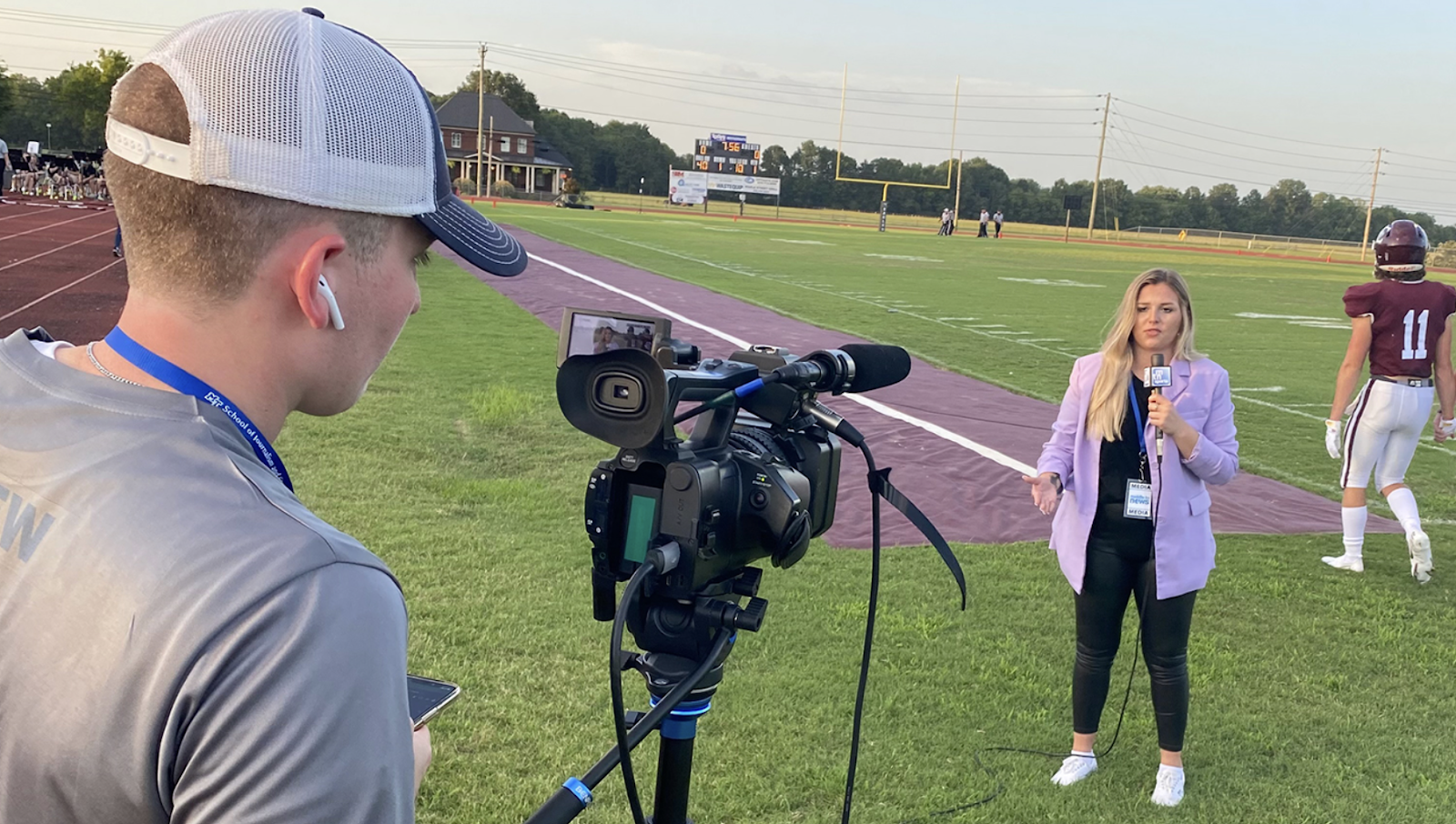
For many aspiring writers, becoming a sports journalist feels like the perfect combination of passion and profession. If you grew up watching games, debating trades, and analyzing player performances, the idea of turning that enthusiasm into a career can be incredibly appealing. But sports journalism is about far more than just loving sports. It requires discipline, storytelling ability, and the willingness to work quickly in an industry that moves at the same pace as the games themselves.
Whether you want to cover local teams, write in-depth features, or report on global competitions, starting a career in sports journalism begins with understanding how the industry works and developing the right skills.
Understanding the Modern Sports Media Landscape
Sports journalism has evolved dramatically over the past decade. Traditional newspapers and television broadcasts are still important, but digital platforms now dominate the industry. Websites, podcasts, newsletters, and social media all play a role in how fans consume sports news.
Major leagues like the National Basketball Association, National Football League, Major League Soccer, and the English Premier League generate constant content opportunities. Games, trades, injuries, statistics, and behind-the-scenes stories all fuel the daily news cycle.
For new journalists, this means there are more entry points than ever before. Blogs, independent sports websites, and social platforms allow writers to publish work without waiting for a traditional newsroom job.
Start by Covering What You Can Access
One of the best ways to begin is by covering sports that are accessible to you. Local high school games, amateur leagues, and college athletics provide excellent opportunities to practice reporting.
Covering smaller events helps you learn how to conduct interviews, write game recaps, and meet deadlines. It also teaches you how to observe the game in detail—something that separates strong sports journalism from simple fan commentary.
Over time, building a portfolio of articles demonstrates your ability to consistently report and produce quality work.
Necessary Skills for Sports Journalists
Breaking into sports journalism requires a mix of technical, editorial, and reporting skills. While enthusiasm for sports helps, successful journalists rely on several key abilities.
Strong Writing and Storytelling
At its core, sports journalism is storytelling. A great game recap doesn’t simply list the final score—it captures momentum shifts, standout performances, and the emotions surrounding the event.
Writers must learn how to turn statistics and plays into compelling narratives that keep readers engaged. This applies whether you’re writing a quick post-game report or a long-form feature about an athlete’s journey.
Research and Analytical Thinking
Sports journalism increasingly relies on data. Statistics, performance metrics, and historical comparisons all play a role in modern coverage.
Understanding advanced analytics can help journalists explain trends, player development, and strategic decisions. For example, basketball reporting often references efficiency metrics, while soccer analysis may focus on possession percentages or expected goals.
Being able to interpret numbers and translate them into understandable insights for readers is an important advantage.
Interviewing and Communication
Journalists must be comfortable speaking with athletes, coaches, and team staff. Asking the right questions and listening carefully often leads to the most interesting stories.
Interviewing skills also involve building trust. Professional athletes and organizations are more likely to provide insight to reporters who demonstrate preparation and professionalism.
Footage and Image Sourcing
Modern sports journalism relies heavily on visual content. Articles frequently include game photography, highlight clips, or other media that bring the story to life.
Understanding how to source footage and images legally is an important skill. Many outlets rely on licensed editorial photography or approved league footage to illustrate articles. Journalists must understand licensing restrictions and the difference between editorial and commercial usage.
For example, game photos from professional leagues such as the National Basketball Association or the National Football League are typically available under editorial licenses that allow use in news coverage but not advertising. Knowing how to find, credit, and properly license visual assets is essential for publishing responsibly.
Speed and Deadline Management
Sports journalism often happens in real time. Game recaps may need to be published minutes after the final whistle, and breaking news spreads quickly across digital platforms.
Writers must learn how to work efficiently without sacrificing accuracy. Being able to verify information quickly and publish under tight deadlines is a defining skill in the industry.
Building Your Portfolio
Editors and media outlets want to see proof of your work. Creating a portfolio that showcases your writing is one of the most important steps in starting a career.
This might include:
-
Game recaps
-
Player interviews
-
Opinion columns
-
Data-driven analysis pieces
-
Multimedia stories that include images or video
Publishing consistently, whether on a personal blog or a sports site—helps demonstrate reliability and growth as a journalist.
Networking Within the Sports Industry
Relationships matter in sports media. Connecting with other journalists, editors, photographers, and broadcasters can lead to new opportunities.
Attending games, press conferences, and media events allows aspiring journalists to meet professionals working in the field. Online communities and professional platforms also make it easier to engage with editors and fellow reporters.
Over time, these connections can lead to freelance assignments, collaborations, or full-time roles.
Turning Passion Into a Profession
Sports journalism is a competitive field, but it rewards persistence and curiosity. The best journalists combine a deep love of sports with the discipline of reporting and storytelling.
By developing essential skills, building a strong portfolio, and staying engaged with the sports world, aspiring writers can gradually turn their passion for the game into a meaningful career covering the teams, athletes, and moments that fans care about most.