

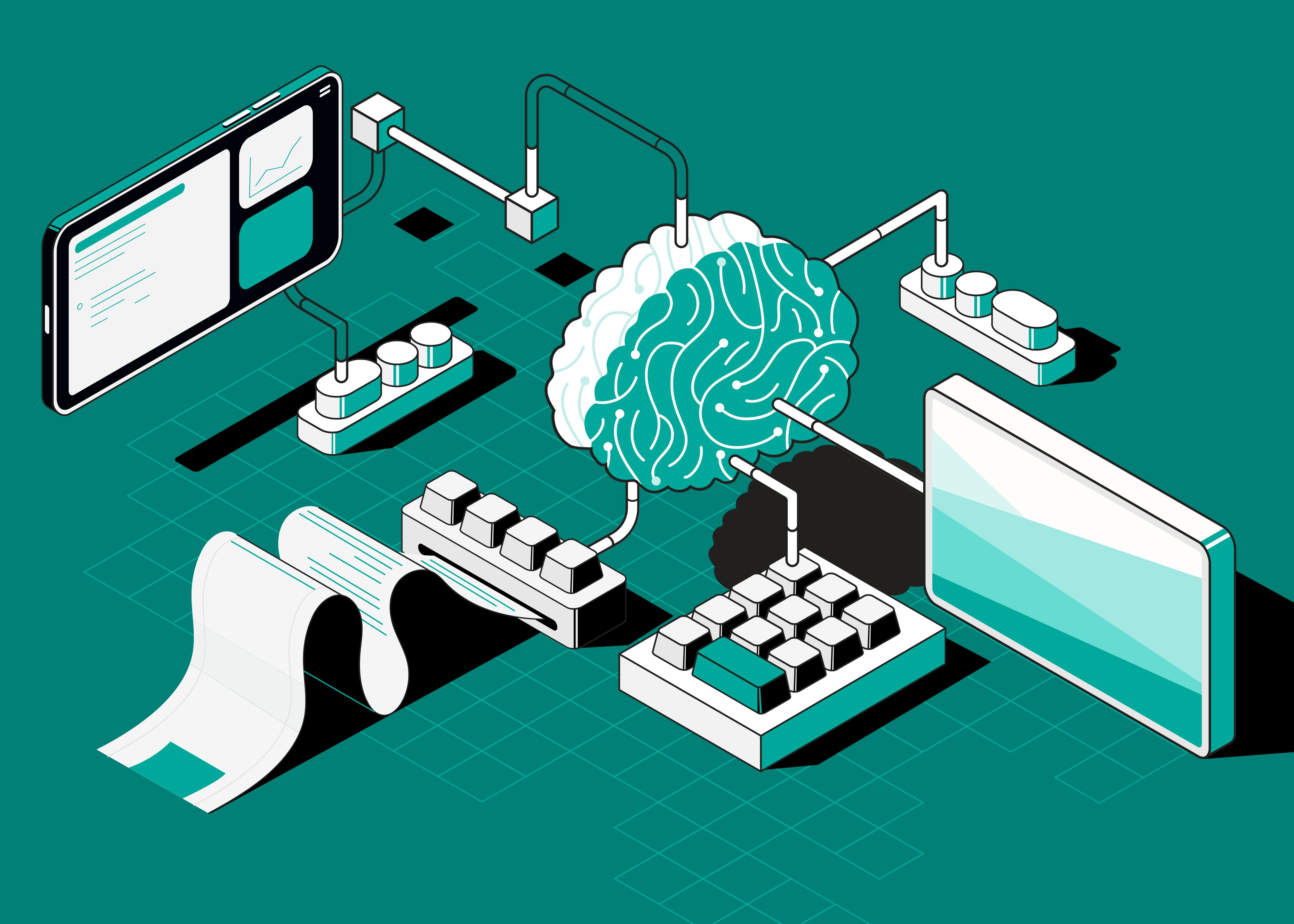
Corporations are incorporating AI in their daily operations for efficiency, cutting down costs, better decision making, and enhancing customer experience. Instead of being a substitute for human expertise, AI is becoming a smart assistant that takes care of repetitive tasks and analysis of large data sets to allow workers to engage in more complex and creative activities. Some of the most recent research conducted by renowned consulting companies and world's top organizations demonstrate that there is an increasing trend towards adoption of AI due to its capabilities of improving productivity and competitiveness.
AI Is Transforming Hiring and Human Resources
David Magnani, President of M&A Executive Search said, AI technology has been embraced by human resource departments. The recruitment process is usually done through the screening of many applications, interviewing people, and communicating with potential applicants. AI recruitment platforms save recruiters time because they automatically screen applications, determine the qualified applicants, and sort resumes based on set criteria for the position.
The ability of natural language processing enables AI technologies to screen resumes in more sophisticated ways than just keyword screening. This ensures that the recruiter finds people who have skills that the company can use. AI chatbots answer common questions from the applicant, schedule interviews, and update the applications.
In addition to recruitment, AI can be used in employee onboarding by offering personal training suggestions, handling documentation processes, and guiding new employees via the use of virtual assistants. Predictive models are also incorporated into HR analytics solutions to help predict turnover risk, employee engagement levels, and suggest appropriate retention methods.
However, companies have to watch out for any possible biases introduced by AI software. It is strongly advised that AI technology is to augment but not substitute human judgment. Transparent algorithms, a variety of training data, and frequent audits to guarantee equity throughout the employment process are necessary for responsible adoption.
Enhancing Customer Service Through Intelligent Automation
Customer service has seen perhaps one of the most evident changes from AI. Chatbots and other AI-based tools have been developed to help deliver prompt responses to customers' questions, ensuring that there is no need to wait. Advanced AI systems are capable of interpreting the meaning behind customer questions, retrieving all necessary information and solving routine problems. Meanwhile, complex requests are automatically passed to a human representative who will be able to deal with the situation when empathy or negotiation skills are needed. In addition, the ability to personalize the experience of every single client using data about his purchases, browsing habits and interaction with the company is possible because of AI.
AI Is Revolutionizing Manufacturing
Jessica Shee of M3datarecovery.com said, one of the areas where AI will be highly disruptive is in manufacturing. Modern factories are becoming more dependent on AI and machine learning systems, robotics, and IIoT.
One of the key applications of AI in manufacturing is predictive maintenance. AI constantly monitors machines for any signs of wear or malfunction based on the data provided by sensors. Manufacturers do not have to perform any routine repairs but only those that are required based on the condition of the machinery which not only minimizes downtime but also reduces maintenance expenses. Computer vision technology evaluates products in the production process at extremely high speeds and accuracy levels. Using high-definition cameras along with AI-powered algorithms, defective products can be identified by machines, which helps in enhancing product quality without wasting any product.
AI technology has transformed the production planning process as well. Using algorithms based on demand history, inventory level, and supplier performance along with other factors, AI technology is used to make optimal production plans.This helps improve efficiency while manufacturers can respond promptly to changing consumer demands. The collaborative robots, referred to as cobots, operate side-by-side with human workers as they take care of such jobs that are monotonous, labor-intensive, or risky. Instead of displacing human workers, these machines help in making workplaces safe for the employees.
Improving Financial Operations and Decision-Making
Finance teams use AI technologies to automate repetitive tasks as well as to enhance analytical capabilities. Intelligent automation helps to improve the process of managing invoices, expenses, financial statements, and regulatory reports.
AI-based fraud detection tools analyze millions of financial transactions, spotting abnormal patterns that are associated with fraud. These tools are able to constantly learn from new data, thus becoming better at detecting new types of threats and minimizing the number of false positives.
Finally, business executives also gain access to AI-supported decision-making. With the help of predictive analytics tools, which combine financial information with other metrics, managers are able to get forecasts, detect risks, and assess strategic options based on data analysis rather than intuition.
Challenges and Responsible AI Adoption
However, the adoption of AI technology involves several challenges for organizations. These include the challenges associated with data privacy, cybersecurity, algorithmic bias, regulatory compliance, and adjustment of the workforce.
The successful introduction of artificial intelligence needs proper data quality, policy management, and training programs for employees. Companies that provide education on AI technology enable their employees to learn how to work alongside such intelligent technologies and acquire new digital competencies.
It is necessary to be transparent about AI decision-making processes in order to establish trust among the population. Organizations need to disclose their decision-making processes by AI-powered technologies in critical areas like recruiting, lending, health care, and performance reviews.
The Future of AI in Business Operations
AI will keep evolving and spreading in all business activities. Generative AI, autonomous AI, robotics, digital twin, and predictive analytics are some of the technologies that will continue making processes easier while helping innovate more.
As AI technologies do not necessarily replace the workforce, they are rather likely to change job descriptions through automatization and augmentation. The workforce consisting of people who can apply both their technical skills and creativity, critical thinking, communications skills, and ethics will continue being valuable for any organization.
Companies using AI technologies wisely while keeping high-quality governance, human supervision, and high ethical standards will have more opportunities to increase productivity, create better experience for customers, improve resilience and keep competitive edge in the long run. As AI keeps developing, more companies from different industries will realize that intelligent automation becomes a part of the basic business process.
Conclusion
Artificial intelligence has had a substantial impact on company operations in terms of increased productivity, decision-making, and creativity. Even though there are still certain challenges, such as privacy issues and the need for human resources to adjust to the new environment, businesses who use AI technology wisely and successfully in conjunction with human knowledge will have greater success in the future.


