
You walked into an office and handed over a paper resume. Those days are mostly gone for most people. Now, the search happens on a laptop or a phone. This shift makes things much faster for everyone involved. It opens doors to roles in other cities or even other countries. Speed comes with some hidden dangers that you need to watch for. Most people trust the big websites they use to find work. They assume every post is real. This trust can lead to big problems if you are not careful.
The New Landscape of Digital Recruitment
Most companies use online portals to manage their hiring. This means you are often talking to a system or a recruiter you have never met. Scammers take advantage of this distance. They create fake profiles that look very real. You might think you are applying to a famous brand. In reality, you could be talking to someone who wants to steal your data. Protecting your identity is now a big part of the hunt.
Fake job posts are often copied from real ones. Scammers just change the contact information. They want to get your attention with a high salary. They know people are looking for ways to improve their lives. This makes the job market a target for bad actors. You have to be your own detective.
Protecting Your Personal Information
Criminals look for Social Security numbers and bank details. Performing an email lookup helps you check if the sender is using a real corporate domain. You can see if the person matches the company they claim to represent. This step takes only a few seconds. It can save you from months of identity theft headaches. A real hiring manager will never mind if you take steps to stay safe. They value security just as much as you do.
Sharing your info too early is a major risk. A real company will wait until the interview phase. They do not need your bank info just to look at your resume. If a person asks for this right away, walk away. It is better to lose a fake job than to lose your identity. Keep your personal data locked down until you are sure the role is real.
The Financial Impact of Employment Fraud
The money involved in these tricks is quite large. A California legal official noted that losses from fake employment agencies and job scams tripled between 2020 and 2024. People lost $501 million during that time. These numbers show that the problem is growing every year. Scammers are finding new ways to get people to pay for fake equipment. They might ask you to buy a laptop from a specific vendor. That money goes straight into their pockets.
You might receive a fake check in the mail. They tell you to deposit it and send some money back. This is a classic scam. The check will bounce after a few days. You will be out of the money you sent. Real employers handle equipment and training costs themselves. They do not ask new hires to handle these transactions.
Navigating a Difficult Global Market
Younger people are often the most at risk. A recent report on labor trends mentioned that youth unemployment remains high at around 12.6 per cent. This pressure to find a job makes people act fast. They might ignore a weird email address or a strange request. Since they lack experience, they might not know what a real hiring process looks like. Staying educated about these threats is the best defense. Everyone deserves a safe start to their career.
Economic shifts make the market feel crowded. You might apply to 10 jobs a day. This volume makes it easy to lose track of who you talked to. Scammers count on this confusion. They reach out pretending to follow up on an app you never sent. Always check your records before replying to a random message.
Common Signs of a Fake Job Posting
You can often spot a fake listing if you look closely. The text might have strange grammar or weird formatting.
- The salary is much higher than for any similar role.
- They want you to move the chat to a private app like Telegram.
- The company has no website or social media presence.
- You get a job offer without ever doing a video call.
- They ask for your birthday or bank info very early.
Checking these points helps you filter out the noise. It keeps your focus on real opportunities. If something feels too good to be true, it probably is. Trust your gut when a job seems too easy to get. Real roles usually involve a lot of competition. They require more than just a quick chat.
Building a Secure Application Strategy
Having a set of rules keeps you safe. You should never feel pressured to share sensitive data.
- Never pay for your own background check through a link they send.
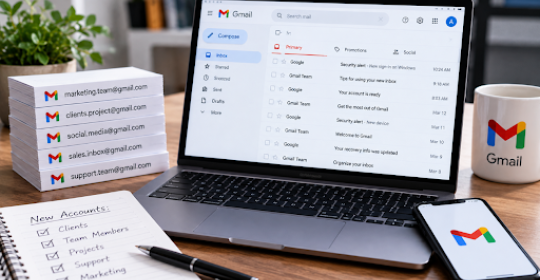
- Set up a separate email address just for your job applications.
- Use a dedicated phone number for public job boards.
- Keep a log of every company you have actually applied to.
- Tell a friend or family member if an offer seems too good to be true.
These small habits build a wall around your personal life. They let you search with confidence. You can focus on your skills and your interview prep. When you know you are safe, you perform better. You can spot a real opportunity from a mile away.
Protecting Your Data During Interviews
The interview itself is a place to stay alert. Real interviews happen over official platforms. They usually involve video so you can see the person. If they insist on keeping the camera off, ask why. A legitimate company wants to meet you. They want to see how you interact and solve problems. Scammers prefer to stay hidden behind text or voice-only calls.
Take notes during the talk. Ask about the office culture and daily tasks. If the answers are vague, be suspicious. A real boss knows the details of the job. They can tell you about the team and the goals for the year. Vague answers are a sign that the person does not really work there. They are just reading from a script.
Finding a new role is an exciting time. It marks a fresh start and new goals. Don't let a scammer take that joy away from you. Keep your eyes open and your data locked tight. Finding the right fit takes time - but it is worth the wait to be safe.