Reese Witherspoon recently made waves when she said people should stop chasing dream jobs and instead focusing on developing important skills.
And maybe she was right?
Her comments on building realistic, in-demand skillsets that provide stability and long-term opportunity reflect a broader shift in workforce expectations as economic uncertainty and technological change reshape what it means to build a sustainable career.
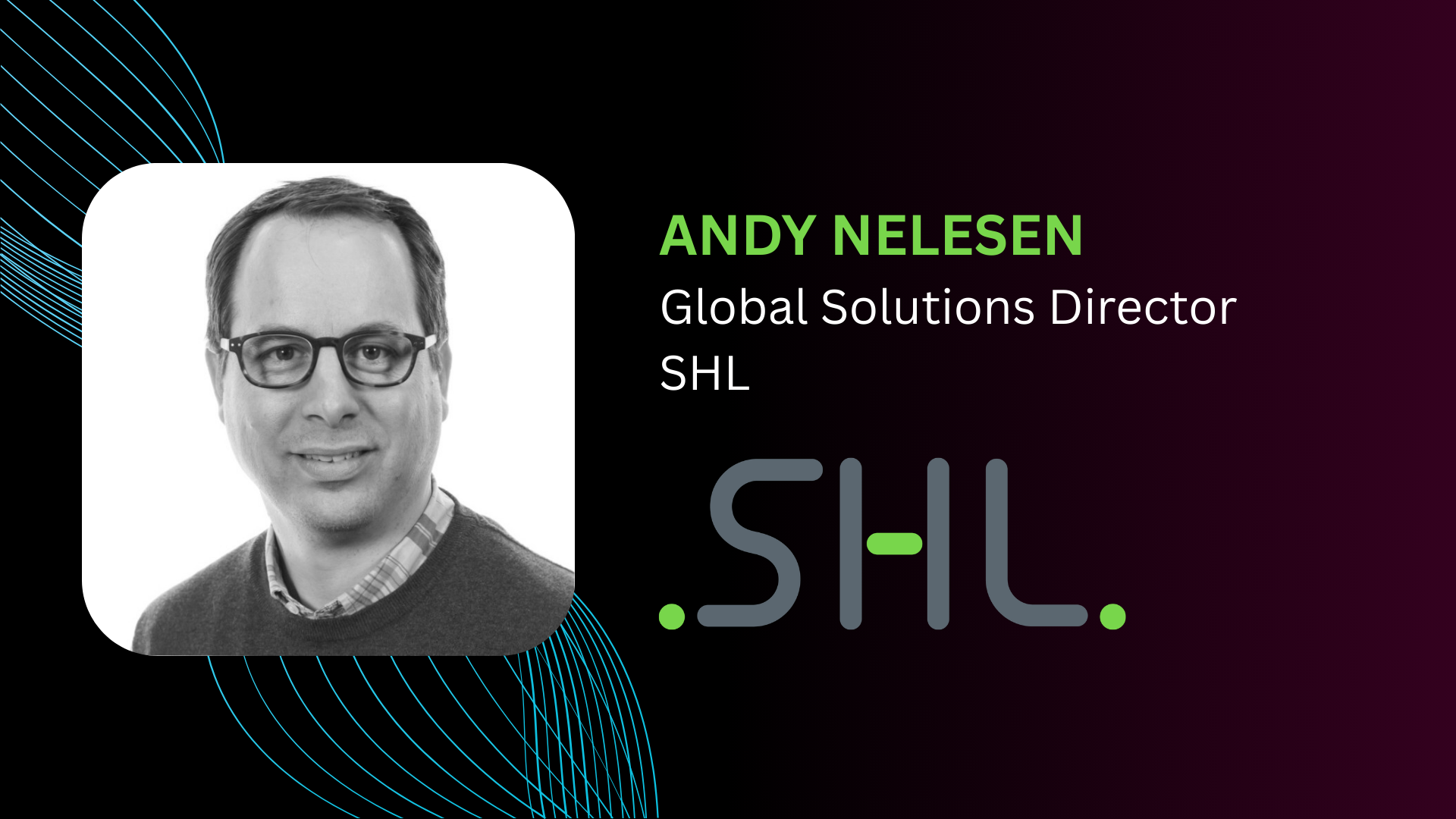
According to Andy Nelesen, Global Solutions Director at SHL, the global leader in talent insight, believes that skills-based development is the most reliable path to long-term career resilience, growth, and impact:
“I agree with the core premise that chasing narrowly defined ‘aspirational’ job titles is increasingly misaligned with how work—and careers—are actually evolving. Roles are changing faster than job descriptions can keep up, and many of the most in-demand positions of the future either look very different today or don’t yet exist at all. Focusing solely on landing a specific title or employer can therefore be limiting and, in some cases, futile. What matters far more is building a portfolio of durable, transferable skills that allow individuals to adapt as roles, organizations, and technologies change.
The foundation of being a great employee in the future is continuous learning. This applies to Gen Z as much as any other generation. The ability to learn, unlearn, and relearn—particularly in the context of rapidly advancing technologies like AI—will increasingly define employability and performance. Those who actively develop skills, embrace new tools, and remain curious will be best positioned to navigate uncertainty and create opportunity over time. At SHL, we see skills-based development not as a fallback from aspirational goals, but as the most reliable path to long-term career resilience, growth, and impact.”