

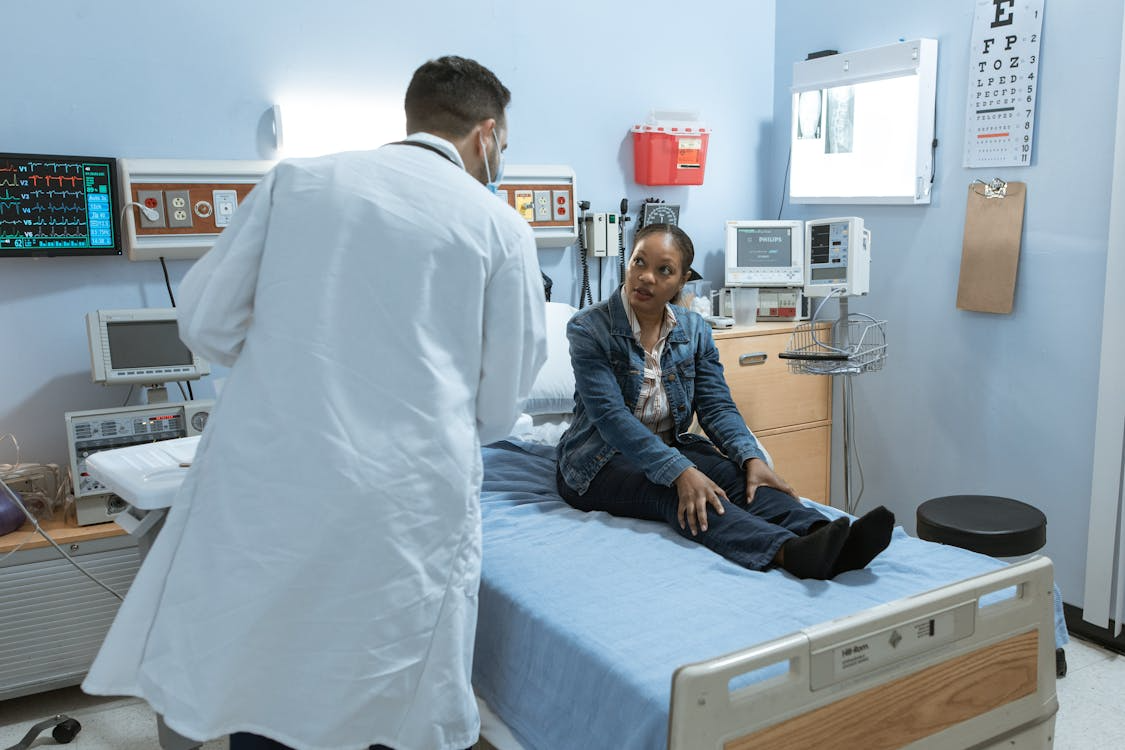
Advances in nuclear medicine are transforming patient care by making diagnoses faster and treatments more personalized. Many patients now experience shorter scan times, clearer imaging, and therapies that target specific cells with impressive accuracy.
These improvements help people understand their conditions sooner and start meaningful care without unnecessary delays. In this article, you’ll see exactly how these breakthroughs are reshaping the patient experience and what they mean for anyone navigating modern healthcare.
How Imaging Technology Is Evolving
Imaging has always been the foundation of nuclear medicine, and recent upgrades are raising standards across clinics. New scanners capture clearer visuals in less time, which can make appointments more comfortable for patients. Stronger imaging detail also allows physicians to detect issues earlier and build treatment plans with confidence.
These advancements show up in several important improvements, such as:
➔ Lower radiation dose requirements
➔ Faster PET and SPECT imaging times
➔ Expanded use of hybrid imaging systems
Because newer equipment is so advanced, students entering the field often look for guidance on how to choose the right training program. Many compare options carefully and seek out a nuclear medicine technologist school that teaches current technology, modern safety practices, and hands-on clinical skills needed for today’s imaging environment.
The Rise of Personalized Nuclear Therapies
Theranostics has become one of the most significant developments in nuclear medicine. Instead of relying on general treatments, clinics now use radiopharmaceuticals designed to find and treat cancer cells with a high level of accuracy. Patients often experience fewer side effects and a much clearer path through their therapy.
Facilities adopting these techniques frequently upgrade their internal processes to keep pace. This includes software that helps specialists calculate radiation dosing more precisely. For many patients, these improvements translate to safer treatment plans and a better understanding of what each step involves.
Why Workflow Improvements Matter
Better workflows support better patient experiences. When scheduling is smoother, instructions are clear, and results arrive quickly, people often feel more supported throughout their care journey. These upgrades also give clinical teams more time to focus on patient questions and reduce the stress that can come with complex procedures, creating a calmer and more reassuring treatment environment overall.
What Patients Notice During These Improvements
Patients often comment on how modern nuclear medicine feels more efficient and personalized than ever before. Many notice shorter waits, easier-to-understand explanations, and treatment plans that reflect their unique conditions. These changes reflect a broader shift toward patient-centered care built on accuracy and empathy.
Several elements of this shift stand out:
➔ Scan results are delivered more quickly
➔ Therapies built using personal diagnostic data
➔ Greater comfort during imaging procedures
As these practices become more common, patients continue to experience care that feels more streamlined and reassuring.
How Innovation Supports Patient Confidence
New advancements in nuclear medicine aren’t just improving clinical accuracy; they’re also strengthening patient confidence. When people understand their diagnosis sooner and see clearer images of what’s happening inside their bodies, the entire experience feels less overwhelming.
These innovations also give healthcare teams more time to communicate with patients. With faster scans and more efficient workflows, physicians can focus on explanations and guidance rather than managing delays. This added clarity often leads to stronger trust and a more reassuring care journey overall.
Looking Ahead at the Future of Nuclear Medicine
The future of nuclear medicine is bright as clinics adopt smarter tools, targeted therapies, and stronger training programs for upcoming professionals. As these innovations continue to evolve, patients will benefit from faster diagnoses and more personalized treatment options.
If you’re exploring the field or considering related career paths, staying familiar with emerging technologies and training opportunities is a smart way to prepare for what’s ahead. The world of nuclear medicine technologist training and patient care is advancing quickly, and continued learning helps you stay ready for every new possibility.