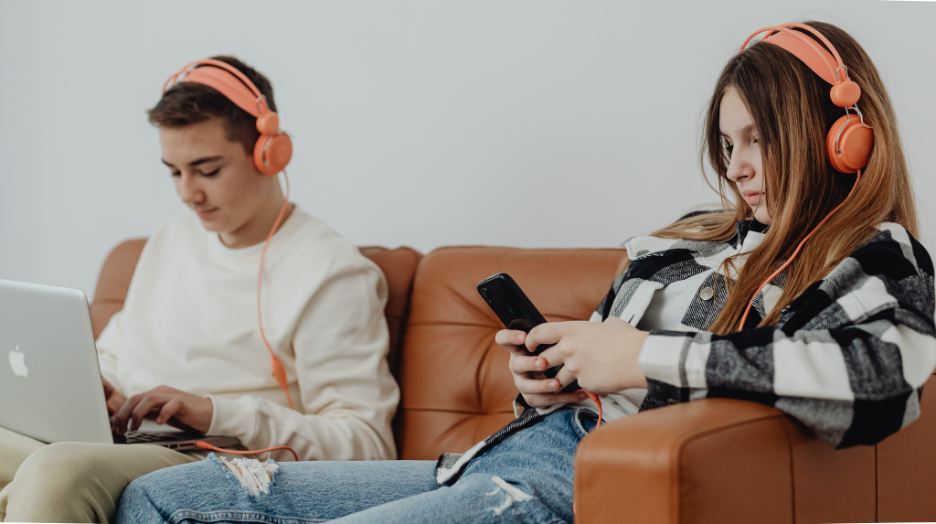
For plenty of employees, habits picked up from digital entertainment follow them right into the office (or their home workspace). Whether it's the pull of instant recommendations, personalized playlists, or the urge to check what's trending, these impulses are subtle but powerful.
Deloitte’s and McKinsey’s research both point to the same thing: office life feels more and more like the digital landscapes we navigate in our downtime. HR, leadership, even day-to-day team dynamics, all of it bends to the expectations formed by streaming and scrolling. The line between how we “play” online and how we work is fading by the day.
Asynchronous expectations and flexible schedules
Thanks largely to Netflix, YouTube, and their kin, the old idea of “appointment viewing” is ancient history. Need to catch up on a show or replay that scene? Do it anytime, anywhere. Work culture has mirrored this shift. With most knowledge workers in the US now preferring flexibility (Pew found the number at 63% just a year ago), fixed schedules are quietly being replaced by more fluid routines.
Instead of team check-ins always landing at 10:00 a.m. sharp, colleagues now dip into project folders, watch bite-sized training clips, explore quick distractions like online slots during short breaks, or leave recorded updates for teammates to catch later.
Micro-learning is the norm: no more marathon sessions in the conference room; just quick videos or mini quizzes that fit into stray minutes. Of course, the convenience comes with a cost; some teams risk drifting apart, and digital overdrive threatens burnout. Still, the always-on mindset seems here to stay.
Personalization and algorithmic work
Remember when you first realized Spotify could guess your next favorite song before you did? Or when TikTok’s “For You” knew just what you’d watch after midnight? Expectations for personalization haven’t stayed confined to entertainment. Employees look for the same tailored features on the job. Work dashboards now sort news feeds by your recent projects or recommend training based on what you completed last week.
Nudges arrive with tips or reminders, much like notifications in a favorite app. Analytics dashboards light up with your most-used tools, hinting at that same magic behind recommended content on YouTube. But as personalization improves, questions about privacy and how much you’re being watched or measured take on new urgency. Workers want flexibility, not surveillance. Employers have to walk a careful line to keep trust alive.
Social media norms and new communication styles
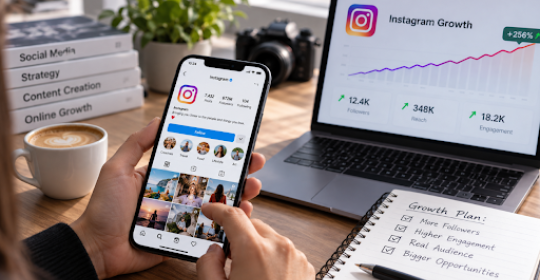
The clamor of social feeds has changed how people interact everywhere, even in workplaces. User-made videos now dominate engagement, making formal memos feel clunky by comparison. Internally, teams churn out quick Loom explainers or run podcast-style updates rather than sending one-size-fits-all announcements.
Internal chats buzz with memes and candid comments. Leadership doesn't hide behind email; video updates and live digital town halls matter more than ever. Company culture, as odd as it seems, grows from viral challenges and emoji-laden shout-outs. The rituals that matter look less corporate and more like the platforms people scroll before bed
Gamification, metrics, and attention challenges
Gamification has crept in nearly everywhere. Micro-incentives, streaks, and badges flashing across dashboards all tap into the same parts of our brains that crave feedback loops. The upside: energy goes up, training gets done, and participation rises.
But the price of all this digital dopamine? Attention can scatter, bouncing from app to app every minute or so. Organizations are now experimenting with digital wellbeing bootcamps, quiet hours, and teaching people to tame their notifications for sanity’s sake.
Responsible engagement and digital discipline
It’s tempting to believe that more digital always means better engagement. The reality is messier. Always-on feedback and algorithmic shortcuts unlock fresh ways to connect at work, but let boundaries slip and the whole balance can topple. For employees interacting with digital leisure activities, staying mindful of time and engagement is essential.
Employers carry new responsibilities: set norms for digital etiquette, encourage breaks, and arm workers with plenty of mental health resources. At this strange crossroads of fun and function, organizations must learn how to get the perks of personalization and flexibility without letting well-being fall out of sight. In this moment, leadership isn’t just about results; it’s also about protecting focus in a world full of distraction.