
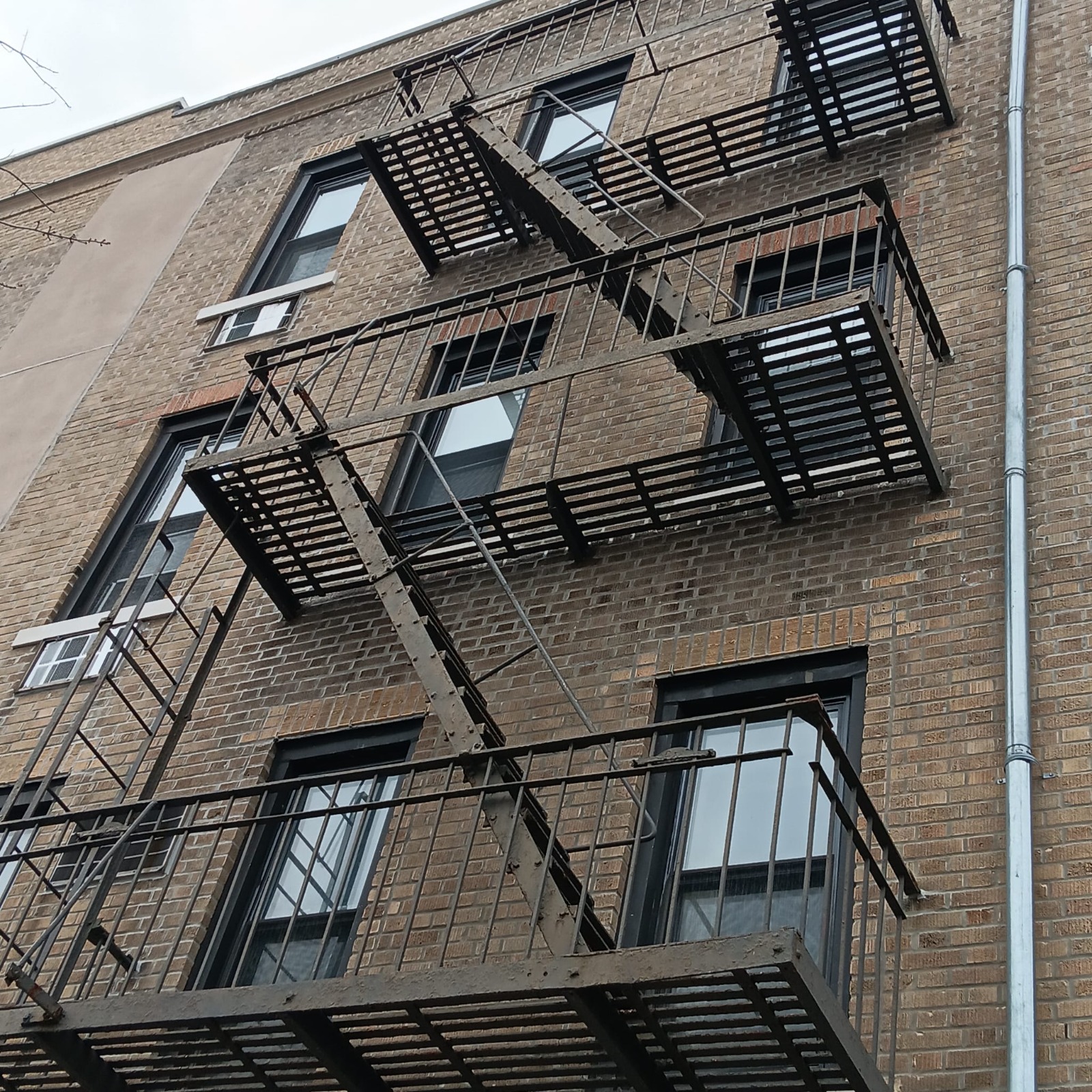
New York City’s skyline is an architectural mosaic of glass skyscrapers, limestone brownstones, and historic brick walk-ups. But if you look closely at the residential and commercial arteries of the city, you’ll see a feature as iconic as the yellow taxi: the iron fire escape.
For many New Yorkers, a fire escape is a place to put a few potted plants or catch a summer breeze. However, under the law—and in the event of an emergency—these structures are the difference between life and death. Navigating the complexities of fire escape contractors in NYC is a vital responsibility for any property owner. Between stringent local laws and the punishing Atlantic salt air, maintaining these iron lifelines requires more than just a bucket of paint; it requires specialized expertise.
The Legal Landscape: Understanding Local Law 11 and Beyond
In NYC, fire escape maintenance isn't a suggestion; it’s a legal mandate. The Department of Buildings (DOB) is notoriously strict, and for good reason.
➔ Safety Inspections: Most buildings over six stories fall under the FISP (Facade Inspection & Safety Program), formerly known as Local Law 11. This requires a Qualified Exterior Wall Inspector (QEWI) to certify that all attachments—including fire escapes—are structurally sound.
➔ The "Unsafe" Designation: If an inspector finds significant rust, loose bolts, or structural instability, your building could be slapped with an "Unsafe" or "Safe with a Repair and Maintenance Program" (SWARMP) status.
➔ Fire Department Access: The FDNY requires these paths to be clear and functional. If a ladder doesn’t drop or a platform is rusted through, the consequences are catastrophic.
When looking for fire escape contractors in NYC, you need a team that understands these specific codes. This is where ABC Fire Escapes Painting steps in, ensuring that your property doesn't just look good, but stays fully compliant with city regulations.
Why Iron Structures Fail: The NYC Environment
New York is a harsh environment for metal. We experience extreme temperature swings, heavy snow, and high humidity. Over time, these factors lead to:
➔ Oxidation (Rust): Once rust takes hold of a joint or a bolt, it expands. This "rust jacking" can actually snap heavy iron components.
➔ Weight Stress: Many fire escapes in NYC are decades—if not a century—old. They weren't always designed for modern safety loads.
➔ Neglect: Often, property owners apply "slop-and-drop" paint jobs that trap moisture against the metal, accelerating decay rather than preventing it.
Professional Services: What ABC Fire Escapes Painting Offers
Maintenance is an investment in your property's value and your tenants' safety. A professional contractor provides a comprehensive suite of services that go beyond the surface.
1. Scraping and Wire Brushing
You cannot paint over rust. Professional contractors use wire brushes and power tools to strip the metal down to a clean surface. This ensures that the new protective layers actually bond to the iron.
2. Structural Repairs and Welding
Sometimes, a coat of paint isn't enough. If a tread is thin or a railing is loose, it requires professional welding. Certified contractors ensure that every weld meets NYC building codes, restoring the structural integrity of the entire unit.
3. Priming and Multi-Layer Painting
In the world of fire escapes, the primer is the hero. Using high-quality, rust-inhibitive primers is essential. This is followed by durable, weather-resistant topcoats designed to withstand the NYC elements.
4. Load Testing and Certification
In many cases, the city requires a load test to prove the escape can handle the weight of escaping tenants and ascending firefighters. A qualified contractor facilitates these tests to ensure the structure meets the 100 pounds per square foot requirement.
Selecting the Right Contractor: A Checklist for Owners
With so many "handymen" claiming to be experts, how do you choose the right partner?
➔ Licensing and Insurance: Never hire a contractor who isn't fully insured for exterior work. NYC height work requires specific insurance riders.
➔ Local Experience: NYC’s building stock is unique. You want a team that has worked in Long Island City, Manhattan, and Brooklyn, and understands the specific architectural quirks of these neighborhoods.
➔ Transparency: A good contractor provides a detailed breakdown of the work—from the number of coats of paint to the specific areas requiring welding.
Pro Tip: Don't wait for a DOB violation to arrive in the mail. Proactive maintenance is significantly cheaper than emergency repairs and legal fines.
The ABC Difference
Located in the heart of Long Island City, ABC Fire Escapes Painting has become a trusted name for property managers, HOAs, and individual building owners across the five boroughs. They combine old-school craftsmanship with modern safety standards.
By focusing on both the aesthetic and the structural, they ensure your fire escape adds curb appeal to your building while standing ready as a reliable exit.
Contact Information
If you are a building owner or manager in New York City, don't leave your fire escape to chance. Ensure your building is safe, compliant, and beautiful.
➔ Company Name: ABC Fire Escapes Painting
➔ Address: 33-02 Skillman Ave, Long Island City, NY 11101, United States
➔ Phone: +1 929-837-3619
Final Thoughts: A Commitment to Safety
Fire escapes are more than just architectural ornaments; they are a vital part of New York City’s safety infrastructure. As a property owner, the burden of maintenance falls on your shoulders, but you don’t have to carry it alone. By partnering with experienced fire escape contractors in NYC, you protect your investment and, most importantly, the lives of those inside your building.
Regular maintenance, professional painting, and timely structural repairs are the only ways to ensure that when the unthinkable happens, the path to safety is clear, strong, and ready.