
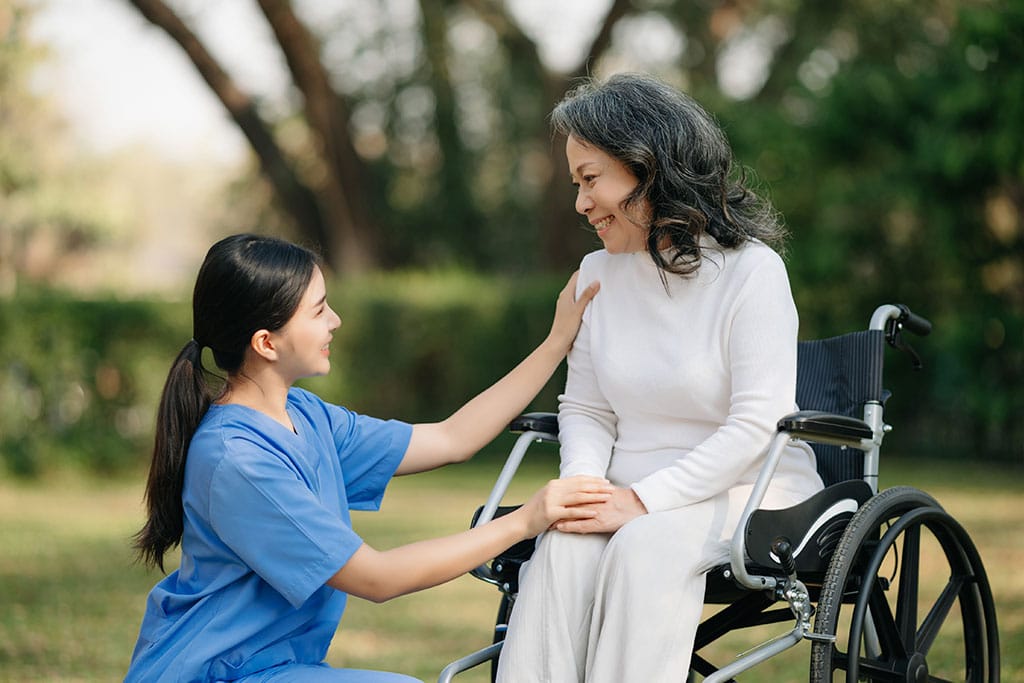
Finding the right caregiver is about so much more than filling a schedule or checking off a list of qualifications. It is about building a relationship that supports comfort, trust, and long-term well-being. When families begin their search, they are often focused on experience or certifications, which are certainly important. However, what truly defines a successful match goes deeper. It involves a thoughtful balance of skills, personality, and consistency over time.
As a home care provider, we have seen firsthand how the right match can transform a client’s daily life. It can bring peace of mind to families, improve outcomes, and create a sense of stability that is invaluable. Whether you are exploring options for yourself or a loved one, understanding what makes a high-quality caregiver match will help you make a more confident and informed decision, especially when evaluating caregivers in Los Angeles, where options can vary widely.
Why the Right Caregiver Match Matters
At its core, caregiving is personal. It takes place in someone’s home, often during vulnerable moments. That is why compatibility matters just as much as capability.
A strong caregiver match can:
➔ Improve emotional well-being and reduce feelings of isolation
➔ Support better physical health and daily functioning
➔ Build trust between the caregiver, client, and family
➔ Reduce stress for everyone involved
➔ Create a more positive and consistent care experience
When the match is not right, even the most skilled caregiver may struggle to connect. That is why we approach matching as both an art and a science.
The Foundation: Skills and Professional Competence
Let’s start with the basics. Skills are the foundation of any caregiver match. Without the right training and experience, it becomes difficult to provide safe and effective care.
Core Caregiving Skills
A high-quality caregiver should be well-versed in essential care tasks, including:
➔ Assistance with activities of daily living such as bathing, dressing, and grooming
➔ Mobility support and fall prevention
➔ Medication reminders and basic health monitoring
➔ Meal preparation and nutritional support
➔ Light housekeeping and organization
These skills ensure that the client’s physical needs are met consistently and safely.
Specialized Experience
In many cases, clients require more than basic care. Conditions such as Alzheimer’s, Parkinson’s, or post-surgical recovery demand specialized knowledge.
We look for caregivers who have experience with:
➔ Memory care and cognitive support
➔ Chronic illness management
➔ Rehabilitation assistance
➔ Hospice and end-of-life care
Matching a caregiver’s experience to the client’s specific needs is one of the most important steps in the process.
Adaptability and Problem-Solving
No two days are exactly the same in caregiving. A high-quality caregiver must be able to adapt to changing situations and think on their feet.
From adjusting routines to responding to unexpected challenges, adaptability is a skill that cannot be overlooked.
The Human Element: Personality and Compatibility
While skills are essential, personality is what turns care into connection. This is often the deciding factor in whether a match truly works.
Building Trust and Comfort
Clients need to feel comfortable with their caregiver. This means finding someone whose demeanor, communication style, and energy align with the client’s preferences.
For example:
➔ A client who enjoys conversation may thrive with a caregiver who is outgoing and engaging
➔ Someone who values quiet may prefer a more reserved and calm presence
These nuances make a significant difference in daily interactions.
Emotional Intelligence
Caregiving requires empathy, patience, and understanding. A caregiver must be able to:
➔ Recognize emotional cues
➔ Respond with compassion
➔ Provide reassurance during difficult moments
Emotional intelligence helps create a supportive environment where clients feel respected and valued.
Shared Interests and Lifestyle Compatibility
Sometimes, the best matches are built on shared interests. Whether it is a love of music, cooking, or outdoor activities, these connections can make care feel more natural and enjoyable.
In a diverse and vibrant area like Los Angeles, finding caregivers in Los Angeles who align with a client’s lifestyle and cultural background can greatly enhance the experience.
The Often Overlooked Factor: Continuity of Care
One of the most important yet underestimated elements of a successful caregiver match is continuity. Consistency builds familiarity, and familiarity builds trust.
Why Continuity Matters
When the same caregiver works with a client over time, several benefits emerge:
➔ The caregiver becomes familiar with routines and preferences
➔ Changes in health or behavior are noticed more quickly
➔ The client feels more comfortable and secure
➔ Communication becomes more efficient
Frequent changes in caregivers can disrupt this sense of stability and make it harder for clients to feel at ease.
Reducing Caregiver Turnover
A strong match from the beginning helps reduce turnover. When caregivers feel connected to their clients and supported by their agency, they are more likely to stay long-term.
We prioritize creating matches that work for both the client and the caregiver, ensuring a more sustainable relationship.
The Matching Process: How It All Comes Together
Creating a high-quality caregiver match is not a guessing game. It is a structured process that takes multiple factors into account.
In-Depth Assessments
We begin by understanding the client’s needs, preferences, and personality. This includes:
➔ Care requirements and medical conditions
➔ Daily routines and lifestyle
➔ Communication preferences
➔ Cultural or language considerations
Caregiver Profiles
Next, we evaluate our caregivers based on:
➔ Skills and certifications
➔ Experience and specialties
➔ Personality traits
➔ Availability and scheduling
Thoughtful Pairing
By aligning these factors, we create matches that are not only functional but also meaningful. This thoughtful approach is what sets high-quality care apart.
Challenges in Finding the Right Match
Even with a structured process, challenges can arise.
Diverse Needs
Every client is unique, which means there is no one-size-fits-all solution.
Family Expectations
Different family members may have varying expectations, which need to be balanced.
Evolving Care Needs
As a client’s condition changes, the caregiving approach may need to be adjusted.
Addressing these challenges requires flexibility, communication, and ongoing support.
Signs of a Successful Caregiver Match
How do you know if the match is working? There are several clear indicators.
➔ The client feels comfortable and at ease
➔ Communication flows naturally
➔ Care routines are followed consistently
➔ The caregiver is attentive and proactive
➔ Families feel confident and reassured
When these elements are present, it is a strong sign that the match is successful.
Best Practices for Ensuring the Right Fit
To increase the chances of a successful match, we recommend the following:
➔ Be open and honest about needs and preferences
➔ Involve the client in the decision-making process
➔ Communicate regularly with the care team
➔ Provide feedback early and often
➔ Allow time for the relationship to develop
These steps help create a more collaborative and effective care experience.
Frequently Asked Questions
What makes a caregiver match successful?
A successful match combines the right skills, a compatible personality, and consistent care over time.
Why is personality important in caregiving?
Personality affects communication, comfort, and overall relationship quality between the caregiver and client.
How do agencies match caregivers with clients?
They use assessments, caregiver profiles, and thoughtful pairing to align skills, preferences, and availability.
What should I look for in caregivers in Los Angeles?
Look for experience, strong communication skills, cultural compatibility, and a proven track record of reliability.
Can a caregiver match be changed if it is not working?
Yes, adjustments can be made to ensure the best possible fit for the client.
Creating Connections That Truly Matter
At the end of the day, caregiving is about people. It is about creating meaningful connections that support health, happiness, and dignity. A high-quality caregiver match does not happen by accident. It is the result of careful planning, thoughtful consideration, and a genuine commitment to understanding each individual’s needs.
When skills, personality, and continuity come together, the impact is undeniable. Clients feel more comfortable, families feel more at ease, and caregivers are empowered to provide the best possible support. Whether you are just beginning your search or looking to improve your current care arrangement, taking the time to find the right match can make all the difference in creating a positive and lasting care experience.