
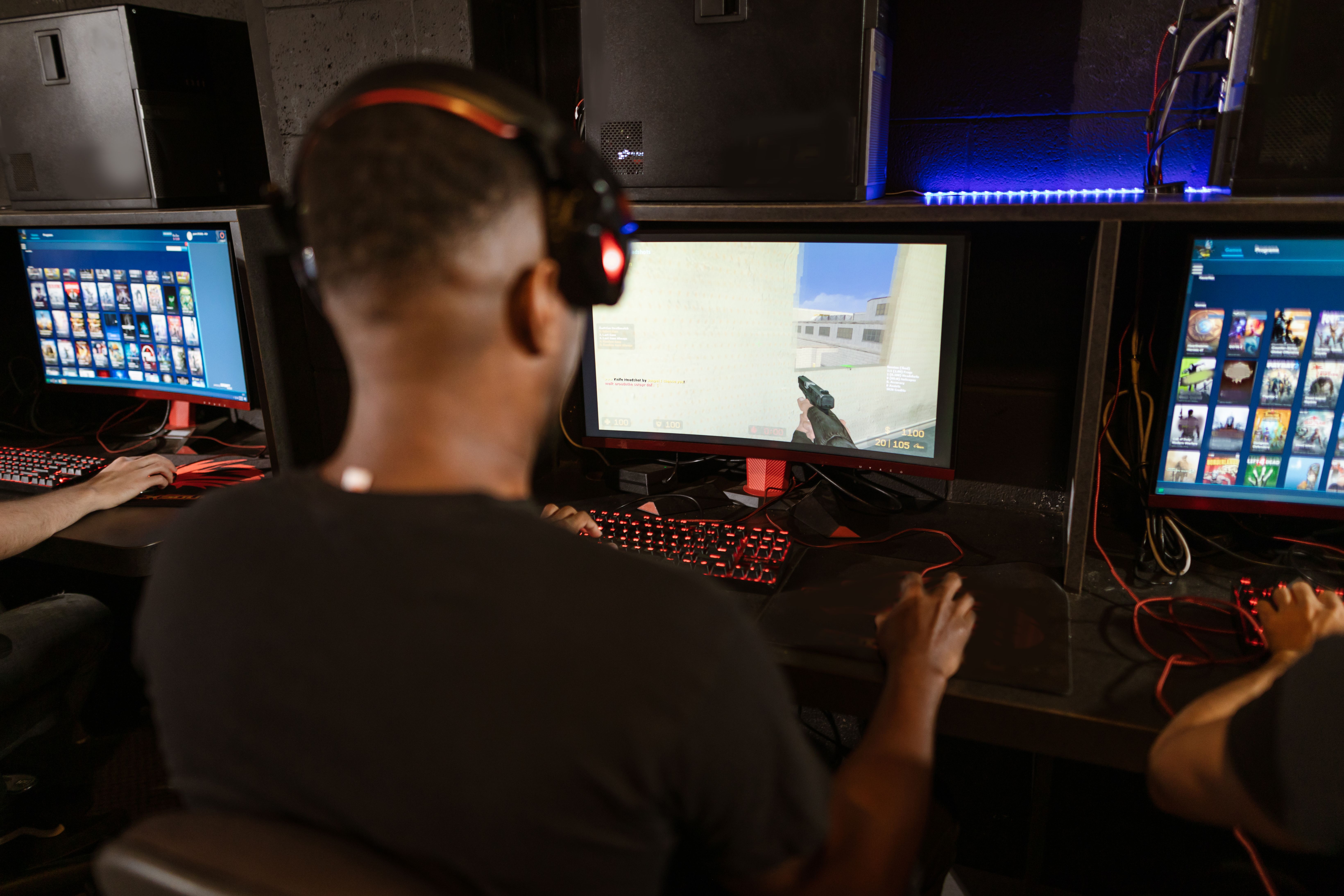
My timings have tightened a lot since then, but only after I stopped treating a cs2 trade as an instant action and started viewing it as a short process with separate stages. Some of those stages depend on me. Others depend on the person across from me, on the platform I use or on a hold timer that nobody can shorten.
So here is how much time each stage takes, measured from the moment I decide to swap something to the moment the new item lands in my inventory.
What Surprised Me Early On
My first manual swap took an entire evening. I posted what I had, waited for replies, argued about whether two mid-tier rifle skins were worth one better AWP finish, and then found out the item I wanted was still locked from a previous transfer.
That was when I realised how little of the delay had anything to do with software. Counter-Strike 2 cosmetics are priced by a market rather than a price list, so two players can look at the same pair of items and disagree by 20% without either being unreasonable.
The negotiation was the slow part. Once we agreed, the transfer itself took under a minute.
Where the Time Actually Goes
When I broke my slower swaps down, the waiting always landed in the same three places.
Finding an Offer I Can Live With
This stage varies most. With a liquid rifle finish, I usually find someone within 20 to 40 minutes. With an unusual pattern or a heavy sticker craft, I have waited two or three days for a counterpart who actually wants that item.
Value disagreement adds more time than item scarcity does. Every extra message is another round of comparing listings, and I have abandoned swaps at that stage more than once.
Checking the Item Itself
Verification is quick once you know what to look at, and skipping it has cost me far more time than doing it. Before I confirm anything, I check:
- Exterior and the exact Float Value, because two listings with the same label can look different in-game
- Stickers, their placement, and whether they are actually reflected in the asking price
- StatTrak™ status and pattern index when the finish depends on the seed
- Whether the item can be transferred right now or is sitting under a lock.
That takes five to ten minutes per item, longer on a higher-value swap, but it’s worth it every time.
The Hold Period
This is the part I cannot negotiate. Valve applies trade protection to CS2 items received through a trade. For seven days, the item cannot be transferred, modified or consumed. Separately, Steam can place a trade hold on accounts that don't meet its Steam Guard Mobile Authenticator requirements, which can delay trade completion.
So a skin I receive on a Monday often cannot move again until the following week. That one rule reshaped how I plan anything involving more than one swap.
How I Plan Around the Wait Now
My main rule is boring, but it works: I never start a swap when I need the item or the money immediately. If I want a specific rifle finish ready for the weekend, I begin on Tuesday, not Friday night.
I also assume any chain of swaps stretches across weeks, not hours. Turning several small skins into one better piece used to frustrate me because I planned it as an afternoon of work, and the hold window made that impossible from the start.
For anything manual, I budget a day for negotiation, 10 minutes for verification and a week before the item can move again. If it finishes sooner, great. If not, nothing I planned depends on it.
What Has Cut My Timelines Down
The biggest improvement has come from removing negotiation entirely. For example, DMarket exchanges remove the need to negotiate directly with another player. I can select the items I want to give up, choose an available replacement, review the balance difference, and confirm the trade.
The slowest part is my own verification. The hold period still applies afterwards, because that rule is set by Steam rather than any marketplace.
My Timings Today
A straightforward swap through bot trades takes me about 15 minutes from decision to completion, most of it spent checking the item. A manual swap for something unusual still takes days, and I accept that when the item deserves it.
What has changed is that I no longer expect either number to be zero. I plan for the wait, start earlier than I think I need to, and the timing stops being a problem.