Motor trade vacancies increased to around 17,000 in June to August 2026, according to the Institute of the Motor Industry (IMI), while total UK vacancies fell slightly. The divergence gives automotive recruiters and employers a reason to look beyond the national headline when planning hiring.
The IMI’s August Vacancy Tracker, published on 1 October, reports a 6% increase from the previous May-to-July estimate. These are overlapping three-month reporting periods, so the comparison should not be read as a one-month increase.
Hiring demand remains below its 2024 level
Vacancies were broadly unchanged from June to August 2025 and 15% below the equivalent 2024 period. The recent rise therefore sits within a longer period of weaker demand, rather than establishing a broad-based return to growth.
The sector’s job openings rate reached 2.8%, placing it joint second among 23 UK industries. This measure expresses vacancies as a share of all jobs, including filled jobs and vacancies; it is not an unemployment rate.
“Motor trade vacancies rose for the second reporting period in a row”
Institute of the Motor Industry, August 2026 Vacancy Tracker
Why it matters for recruitment
For agencies serving automotive employers, the figures suggest continuing hiring needs despite a softer overall market. They do not, on their own, identify which occupations, locations or employers are driving demand.
Recruiters can use the tracker as a starting point for conversations about specific skills gaps, vacancy age and training plans, rather than assuming every part of the sector faces the same conditions.
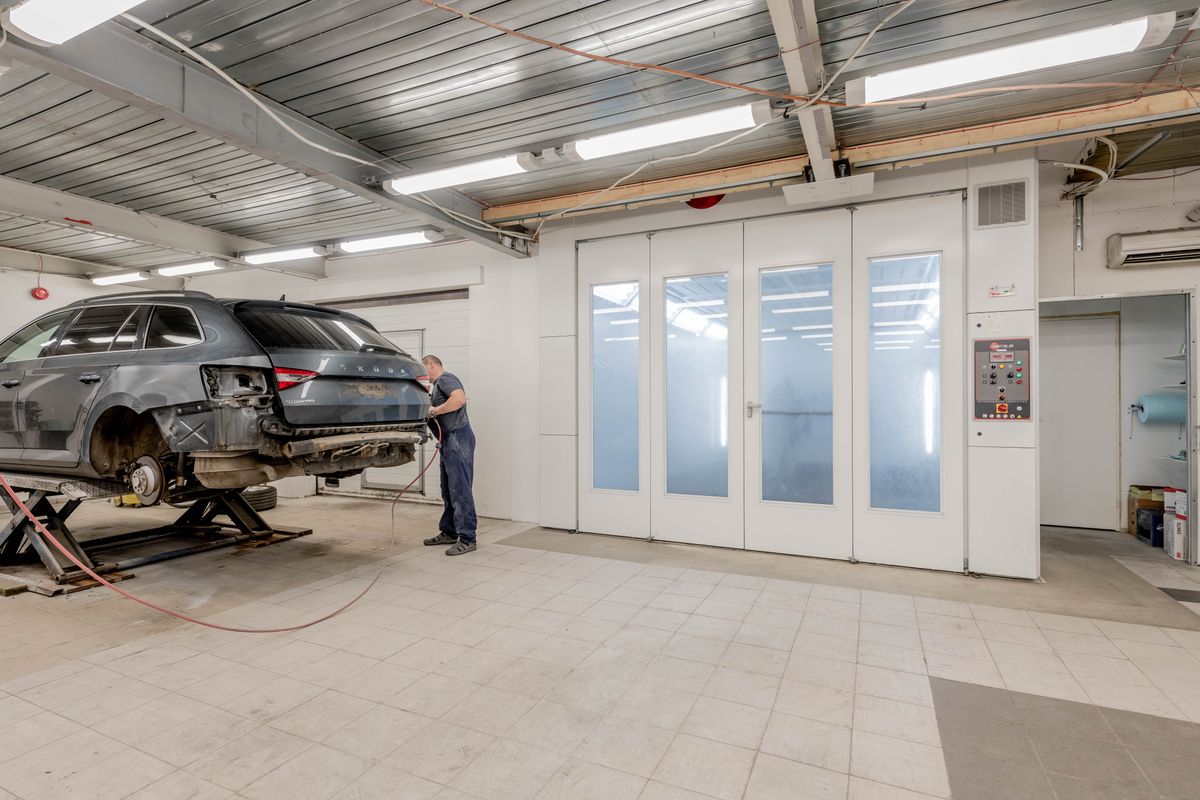
Image: Renee Razumov / Pexels. Illustrative stock photograph.