
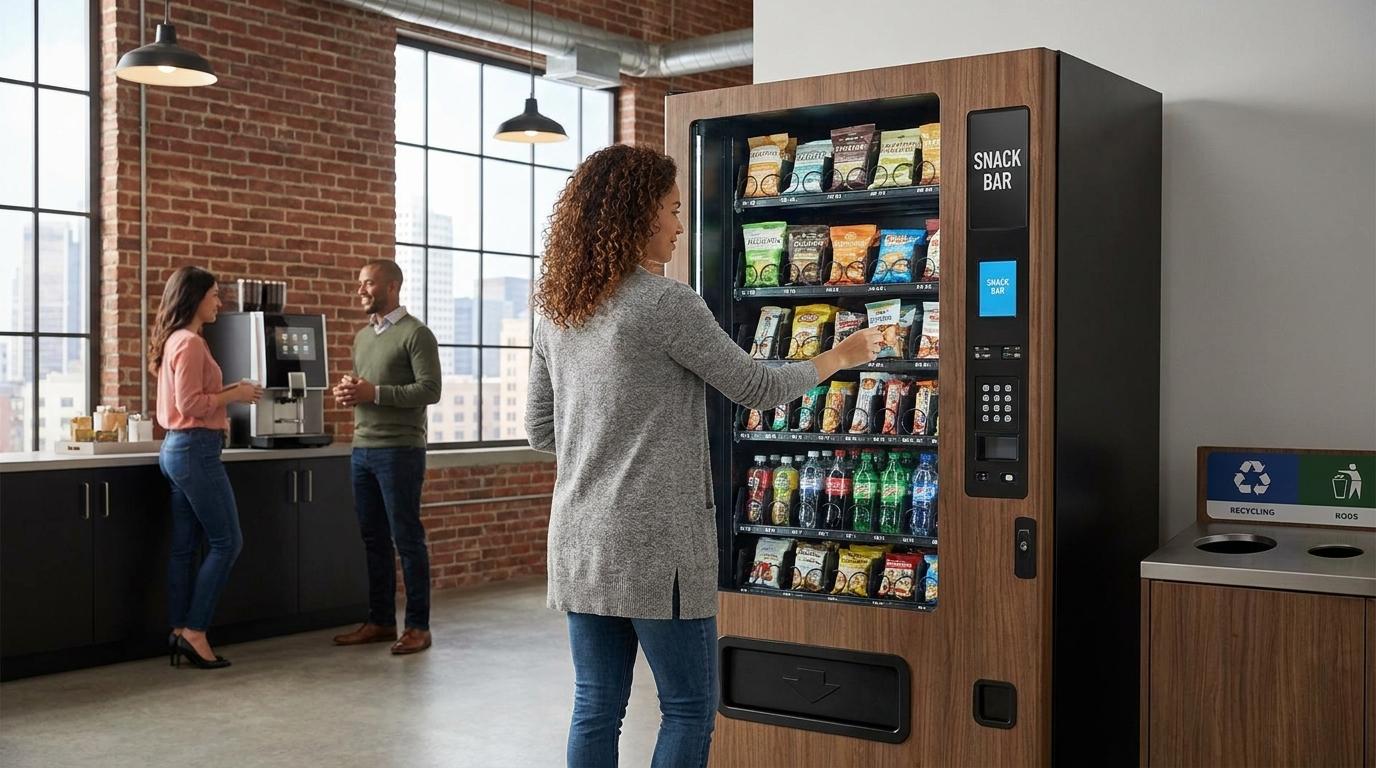
Walk into almost any busy office and you will notice something interesting about employee breaks. People may have access to a kitchen, coffee maker, or nearby restaurants, yet they still want something quick and convenient during the workday. When employees have to leave the building for a snack, wait in line at a café, or discover that the office kitchen has run out of basic supplies, a small inconvenience can become a regular frustration.
This is where workplace vending machines can make a surprisingly practical difference. They give employees access to food and drinks without requiring a trip away from the office. For employers, the bigger question is not simply whether to install a machine, but how to choose and manage one that actually fits the needs of the workforce.
Why Workplace Convenience Matters to Employees
Employee experience is shaped by dozens of small interactions throughout the working day. Not all of them involve salary, benefits, or career development. Something as simple as being able to grab a drink between meetings or find a quick lunch option during a busy afternoon can make the workplace feel more comfortable and convenient.
A well-planned vending setup can provide:
-
Quick access to snacks and drinks
-
Convenient options during short breaks
-
Food choices outside normal cafeteria hours
-
Greater variety for different employee preferences
-
Less need to leave the workplace during the day
For businesses looking to make workplace refreshments easier to manage, working with the best vending machine suppliers can make a noticeable difference. The right supplier can help businesses choose suitable machines, stock products employees actually want, handle regular restocking, and keep the equipment running properly. Instead of simply installing a machine and leaving it there, a reliable vending partner can provide an ongoing service designed around the needs of the workplace.
Vending Machines Can Support a More Practical Break Room
A break room does not need to be elaborate to be useful. In many workplaces, the biggest issue is simply having the right things available when employees need them.
Consider an office where employees regularly work late. A vending machine stocked only with traditional snacks may not be particularly useful to someone looking for a healthier option or a quick meal. A better setup could include bottled water, fresh or better-for-you snacks, coffee, breakfast items, and convenient food for employees who work outside standard hours. The key is to treat vending as part of the overall workplace environment rather than an isolated piece of equipment.
What Should Businesses Look For in Vending Machine Suppliers?
Not every vending service is suitable for every workplace. A small office with 30 employees has very different requirements from a corporate building with several hundred people. Before choosing a provider, employers should consider five practical factors:
1. Product Variety
Employees rarely have identical preferences. Some may want healthier snacks, while others may look for traditional favorites, drinks, coffee, or something substantial enough to replace a quick lunch. Ask whether the supplier can adjust the product mix based on actual purchasing patterns.
2. Reliable Restocking
An empty vending machine defeats its purpose. Ask how often the supplier checks the machines and how quickly they respond when popular products sell out. A provider should have a clear restocking process rather than relying entirely on employees to report problems.
3. Maintenance and Repairs
Machines occasionally malfunction. A good vending service should have a straightforward process for reporting faults and getting them resolved. For employees, a broken machine is more than a technical problem. If it stays out of service for days, confidence in the entire service can quickly disappear.
4. Payment Options
Cash-only machines are becoming less practical in many workplaces. Employees increasingly expect convenient payment methods, including cards and mobile payments where available. The easier it is to make a purchase, the more useful the machine becomes.
5. Flexibility
Employee preferences can change. A product that sells well during summer may not perform as well during winter. New dietary preferences may emerge, or the workforce may shift toward different working hours. Vending Machine Suppliers should be willing to review performance and adjust the selection rather than providing the same fixed product list indefinitely.
Healthy Choices Can Change How Employees Use Vending
There is also an opportunity to move away from the old image of vending machines as places that sell only candy, chips, and sugary drinks. Many employees appreciate having alternatives such as water, nuts, granola products, fruit-based snacks, protein-rich options, or lower-sugar drinks. The goal does not have to be eliminating traditional snacks. It is about offering enough variety for people to make their own choices. This can be particularly useful in workplaces where employees spend long periods at their desks and do not have easy access to nearby food outlets.
Vending Can Be Useful Outside Regular Office Hours
One overlooked advantage of vending is availability. A cafeteria may close at 2 p.m. A nearby café may close at 5 p.m. But employees working early shifts, evening schedules, overtime, or weekend hours still need access to basic refreshments.
For businesses operating outside the traditional nine-to-five schedule, vending can fill that gap without requiring the employer to operate a full food service facility. This makes it particularly relevant for offices with extended hours, warehouses, healthcare environments, manufacturing facilities, and other workplaces where employees may not share the same schedule.
How to Make Workplace Vending More Successful
Installing a machine is only the first step. Employers should pay attention to how employees actually use it. A simple review every few months can answer useful questions:
-
Which products sell consistently?
-
Which items remain untouched?
-
Are employees asking for healthier options?
-
Are machines frequently empty?
-
Are certain payment methods preferred?
-
Do different shifts have different needs?
The answers can guide changes to the product selection and service schedule. Employee feedback can help too. A short survey or informal conversation with staff may reveal preferences that purchasing data alone cannot explain.
Making Vending Part of a Better Employee Experience
The best workplace services are often the ones employees barely have to think about. They simply work when needed. That is the real value of good vending. It is not about putting a machine in a corner and hoping people use it. It is about providing convenient choices, maintaining reliable access, and adapting the service to the people who use it.
Businesses such as BestVending can serve as a useful reference point for employers exploring how workplace vending can fit into their broader food and break-room strategy. When food and drink are easy to access, employees can spend less time dealing with small logistical problems and more time focusing on their work. It may seem like a minor workplace perk, but thoughtful convenience can play an important role in making an office feel more comfortable, practical, and employee-friendly.
Frequently Asked Questions
Are vending machines good for employee experience?
Yes. Workplace vending machines can improve convenience by giving employees quick access to food and drinks without requiring them to leave the building. Their impact depends heavily on product variety, availability, cleanliness, payment options, and reliable maintenance.
What should businesses consider when choosing vending machine suppliers?
Businesses should look at product selection, restocking frequency, maintenance support, payment methods, pricing, machine reliability, and flexibility. It is also important to consider whether the supplier can adapt the service as employee preferences and workplace needs change.
Can vending machines offer healthy food?
Yes. Modern vending programs can include healthier snacks and drinks alongside traditional options. Water, nuts, fruit-based snacks, protein products, and lower-sugar beverages can give employees more choices without removing familiar favorites.
Are vending machines useful for offices with flexible working hours?
They can be particularly useful in workplaces where employees work early, late, overnight, or weekend shifts. Since vending machines can provide access to refreshments beyond cafeteria or restaurant operating hours, they can help support employees working nontraditional schedules.
How often should workplace vending machines be restocked?
There is no single schedule that works for every business. Restocking should depend on employee numbers, purchasing patterns, product shelf life, and working hours. High-traffic workplaces may need more frequent service, while smaller offices may require less frequent visits.
Can employees influence what is available in a vending machine?
Ideally, yes. Employee feedback can help businesses identify popular products and items that are missing. Reviewing sales patterns alongside employee requests allows employers and vending providers to create a product mix that better matches actual workplace demand.
Do vending machines still matter when an office has a kitchen?
Yes. An office kitchen and vending machine can serve different purposes. A kitchen may provide space for employees to prepare or store food, while vending offers quick access to ready-to-eat snacks and drinks, particularly during short breaks or outside normal kitchen service arrangements.